Azerbaijani music is a rich and multi-layered heritage that holds a unique place in world culture. Shaped by both ancient Eastern traditions and modern global musical processes, it has preserved its distinct identity. One of the main features of Azerbaijani music is its deep emotional expressiveness, its tradition of improvisation, and its close connection with poetic content.
To understand the role of Azerbaijani music in global culture, it is essential to first consider the art of mugham. Mugham is not merely a musical genre but also a philosophical and emotional form of expression. It is based on improvisation and allows performers to convey their inner world to the audience. Various programs are implemented to preserve and pass this art on to future generations. Its inclusion in the UNESCO list of the Intangible Cultural Heritage of Humanity in 2003 is a clear example of its international recognition. This recognition is also the result of a purposeful cultural policy pursued by the state and serves as official confirmation of Azerbaijan’s contribution to global culture.
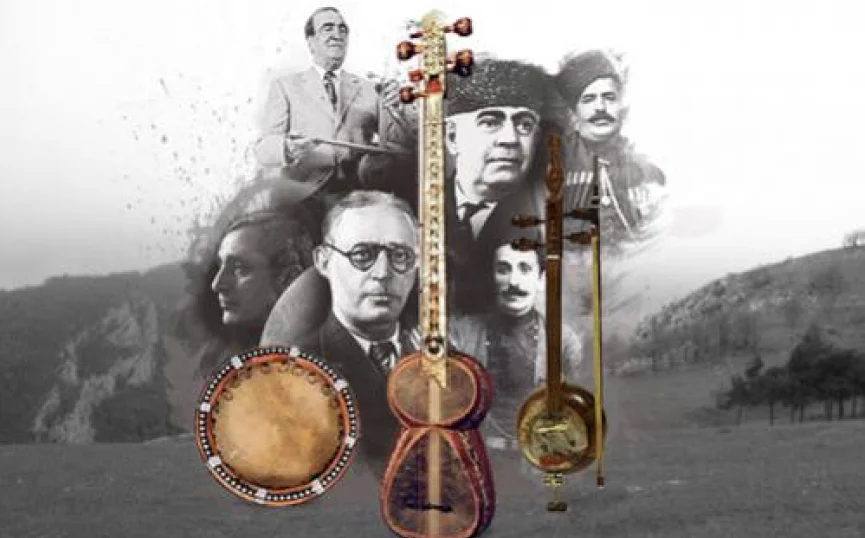
One of the key figures in the development of Azerbaijani music is Uzeyir Hajibeyli. He is the composer of the first opera in the East, “Leyli and Majnun.” This work is a vivid example of the synthesis of Eastern musical traditions and the Western opera genre. Hajibeyli’s creative output brought Azerbaijani music to the world stage and played a crucial role in the formation of the national music school.
Azerbaijani folk music is another important area that has influenced world culture. Ashiq art, folk songs, and dances not only express national identity but have also impacted the musical cultures of other peoples. In particular, the art of the ashiq stands out as a unique form based on improvisation and oral tradition.
The role of the state in the development of Azerbaijani music is decisive and multifaceted. Policies aimed at preserving cultural heritage, organizing professional music education, promoting music internationally, and supporting creative individuals ensure the continuous development of the country’s musical life.
In the modern era, Azerbaijani music is widely represented at international festivals, competitions, and concerts. For example, Azerbaijani performers have successfully participated in prestigious platforms such as the Eurovision Song Contest, presenting national music to a global audience. This demonstrates that Azerbaijani music remains relevant in today’s world.
The Azerbaijani government also places great importance on music education. Higher education institutions such as the Baku Music Academy, along with music schools operating across the country, play a key role in training professional specialists. Through these institutions, both classical and national musical traditions are systematically taught.
The state also supports the organization of various international and local music festivals. Events such as the International Mugham Festival contribute to the global recognition of Azerbaijani music. These festivals create opportunities for collaboration with foreign musicians and strengthen cultural exchange.
THE RETURN OF KHARIBULBUL
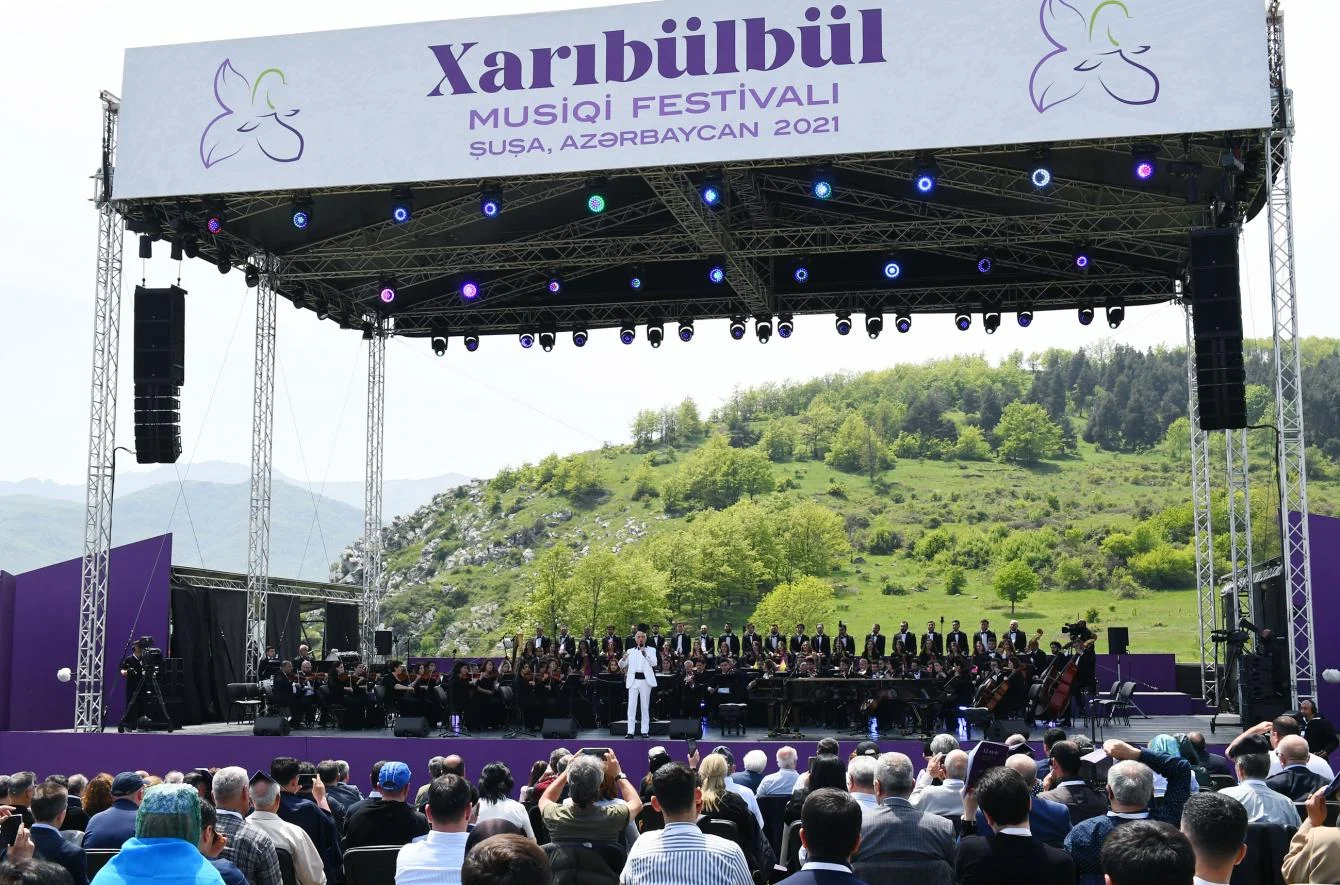
At the initiative of the President of the Republic of Azerbaijan, Ilham Aliyev, after a 29-year break, the “Kharibulbul” Music Festival was re-established on May 12–13, 2021, in the enchanting Jidir Duzu plain of Shusha, the cultural capital of our country. Organized by the Heydar Aliyev Foundation, the first day of the festival featured musical performances by various ethnic groups living in Azerbaijan under the theme “Multiculturalism in Azerbaijani Music.” Musical groups and performers representing different regions of the country conveyed through their performances the idea that Azerbaijan is a unified homeland for all its citizens, regardless of nationality or religion, and that every citizen lives for this land.
The state awards honorary titles, prizes, and scholarships to talented musicians. This stimulates creative activity and creates favorable conditions for the production of new works. The development of musical infrastructure—such as the construction and restoration of concert halls, opera houses, and philharmonic buildings—is also an important part of this policy.
THE RISE OF “JAZZ-MUGHAM”
Alongside all this, Azerbaijani jazz music also attracts great interest internationally. In particular, the “jazz-mugham” genre created by Vagif Mustafazadeh is a successful synthesis of Eastern and Western musical elements. This genre holds a unique place on the global jazz stage and demonstrates the universality of Azerbaijani music.
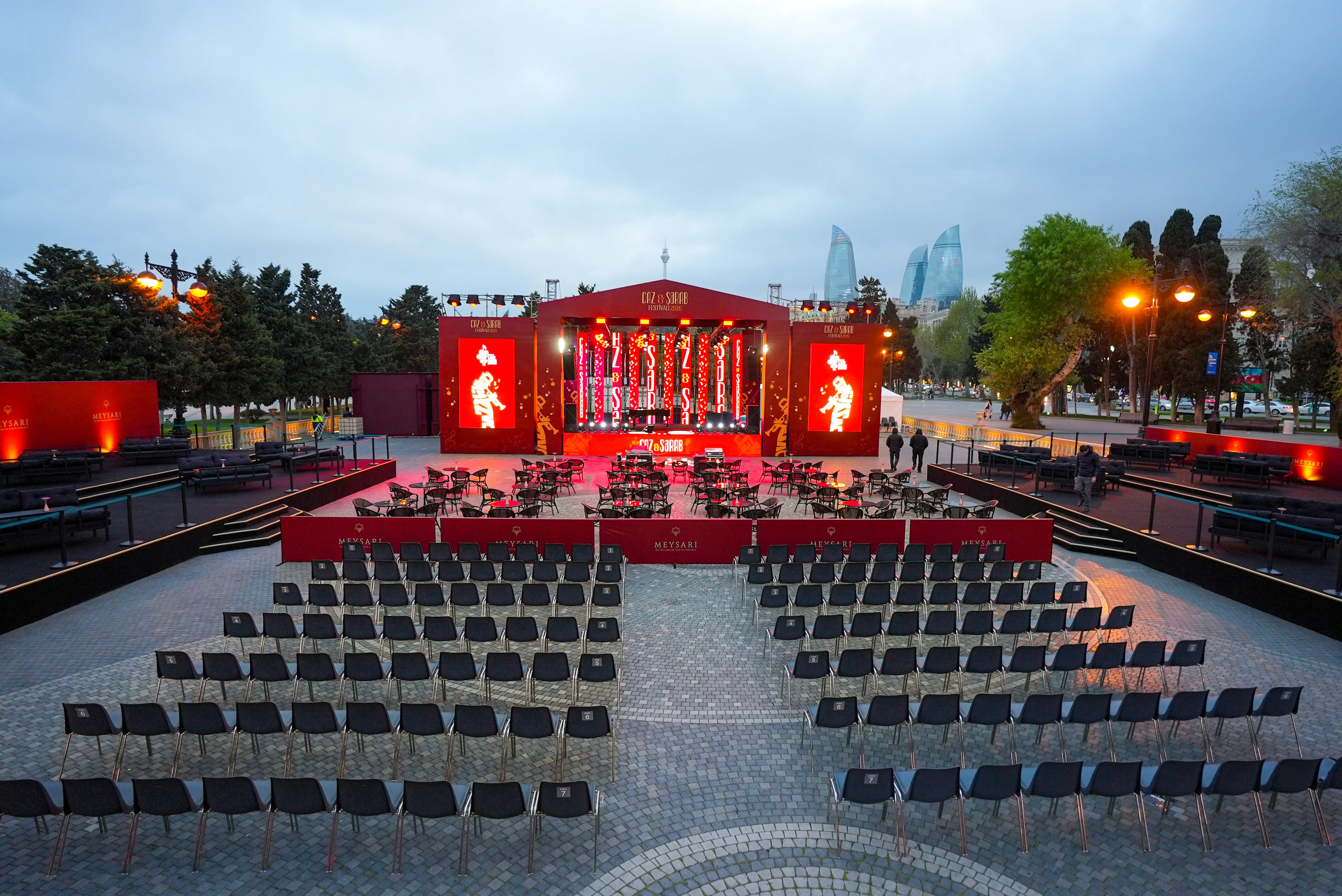
A NEW JAZZ AND WINE FESTIVAL
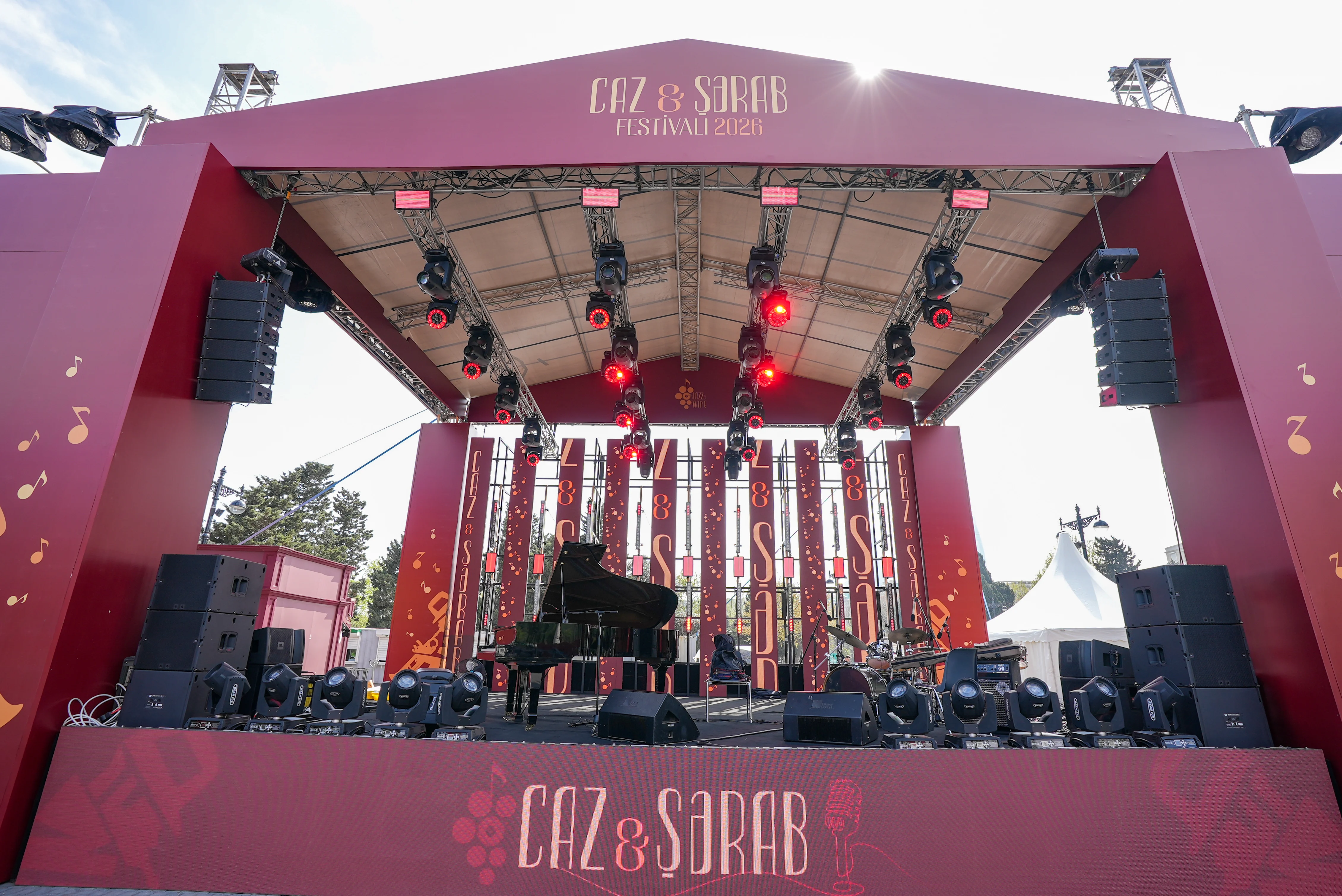
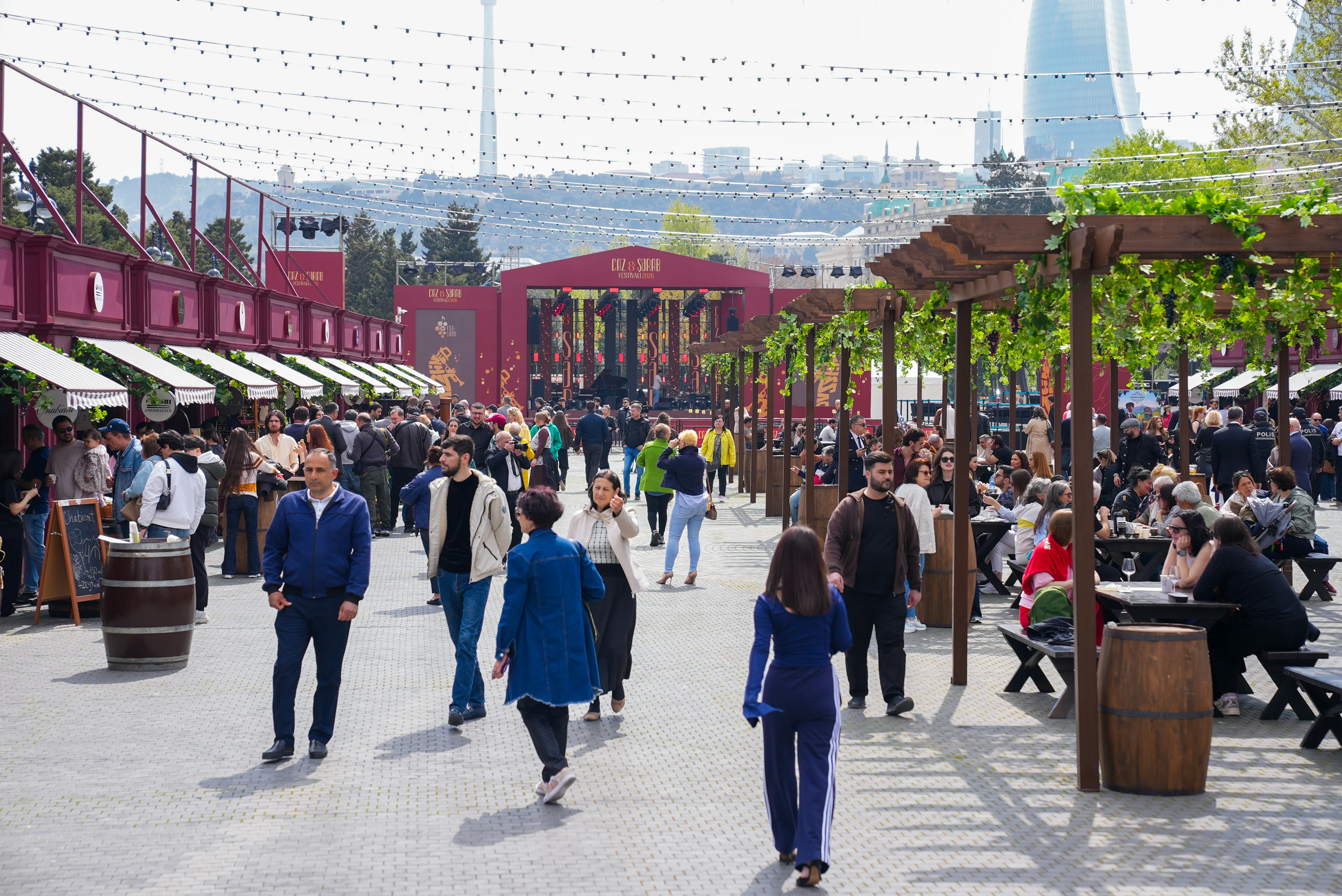
Last week, on April 24, the landmark Jazz and Wine Festival was held at Seaside National Park for the first time. The press secretary of the Seaside Boulevard Administration, Afsana Mehdiyeva, noted that the festival, presented in a unique concept, combines refined jazz music with gastronomy:
“For 10 days, the open-air festival held in the Seaside National Park will offer visitors a rich program. Within the framework of the event, high-level jazz performances, elegant gastronomic experiences, and selected wine samples will be presented in one place.”
She also stated that the festival aims to create a distinctive atmosphere by combining jazz music with gastronomy and winemaking. Over the course of 10 days, live concerts, performances by young ensembles, presentations of local products, tastings, and master classes will be organized: “The main goal of the festival is to preserve Azerbaijan’s unique jazz traditions, support young talents, and bring jazz music to a wider audience. Whereas jazz concerts were previously limited to closed venues and a narrow audience, now everyone visiting the boulevard will be able to enjoy the sound of this music. A special program has been prepared for each day. In addition, Azerbaijan’s rich winemaking traditions will be presented, local producers’ products will be showcased, and tastings and master classes will be organized.”

WHERE EAST MEETS WEST
Azerbaijani music plays the role of a cultural bridge in world culture. It strengthens cultural dialogue between East and West, unites diverse musical traditions, and serves the expression of universal values. Its connection to historical roots and openness to innovation make Azerbaijani music significant both nationally and globally.
AGHA AGHAYEV, Chairman of the German-Azerbaijani Cultural House
Fuad Huseynzadeh, Chairman of the Public Union for Supporting Journalists in Diaspora Activities