

In Petah Tikva on August 3, speeches alone did not fill the evening—memory itself came alive.
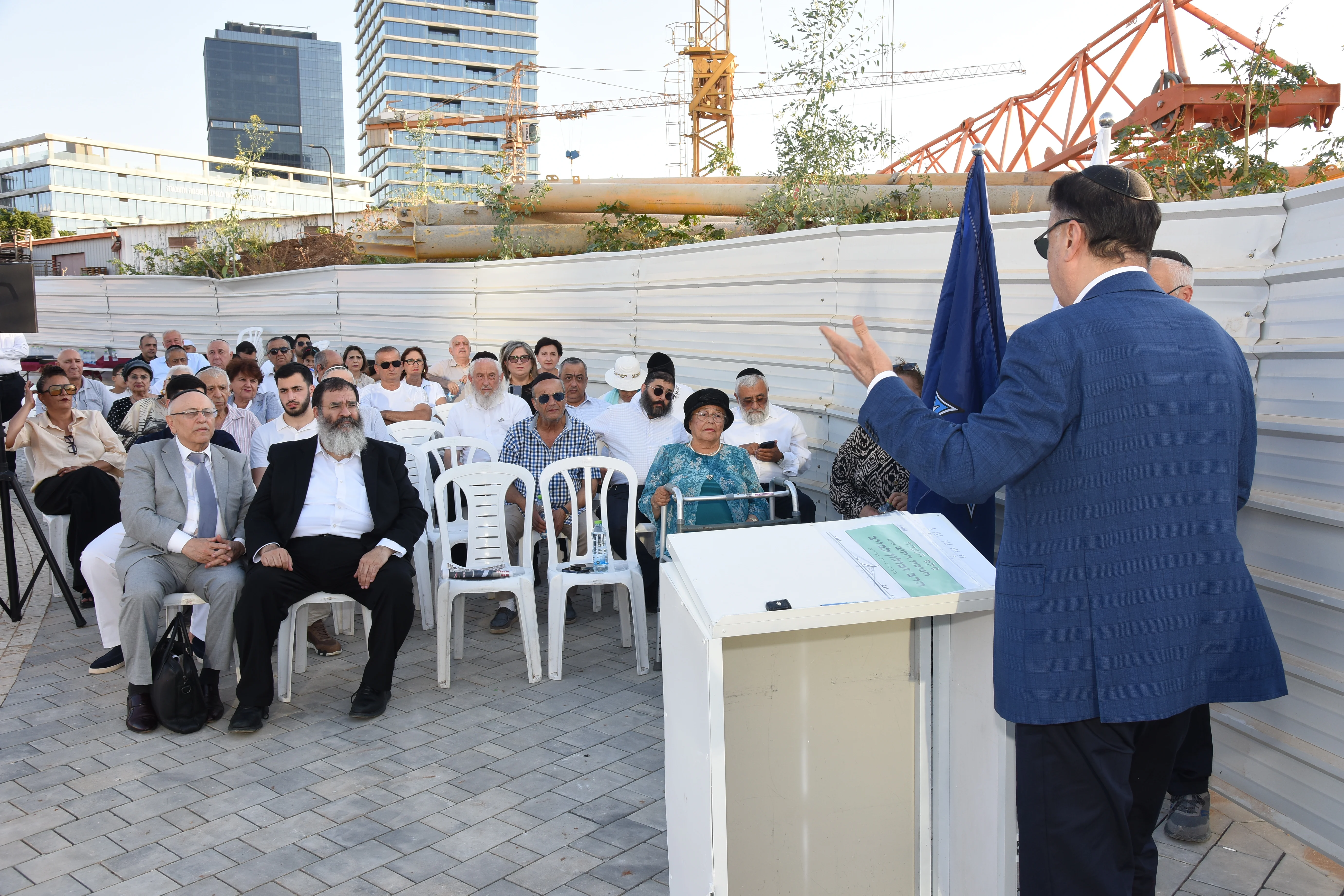
The square was filled with people who gathered in gratitude and quiet reverence to honor the memory of Rabbi Zavulun ha-Levi Leviev, a man whose life embodied unwavering faith, courage, and boundless devotion to the Jewish people—and now, with a street bearing his name, his legacy enshrined.
The evening paid tribute to a life that neither fear, exile, nor years of hardship could break. During the harsh years of Soviet rule, Rabbi Leviev risked everything to keep the flame of Judaism alive where others sought to extinguish it. Arrests, exile to Siberia, forced labor, bitter cold, and deprivation could not take away what mattered most—his inner light. He carried that light throughout his life and, after immigrating to Israel, passed it on to his students, children, and grandchildren. Perhaps the greatest living monument to his righteousness is his family: Rebbetzin Yael, their children, and today more than a thousand descendants whose hearts continue to carry the legacy of Torah.
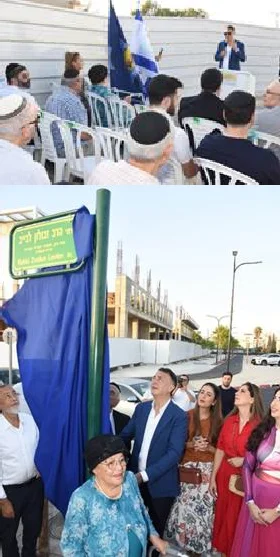
Opening the evening, Dr. Eliyahu Ladaev expressed his gratitude to the Leviev family. He spoke about the responsibility of preserving the memory of those who sacrificed themselves for the future of the Jewish people. The names of the righteous, he said, cannot remain buried in archives—they must be restored to the living fabric of Jewish history so that future generations understand upon whose shoulders they stand. When he recalled the synagogue built in Petah Tikva with the support of Lev Leviev in 1990, it became clear that this was far more than a memorial ceremony. It was a thread stretching across generations, connecting the past to the future.
Dr. Ladaev also shared that he had personally known Rabbi Leviev. The two had lived as neighbors in Samarkand’s historic Jewish quarter, a fact that several speakers highlighted as a testament to the neighborhood’s extraordinary role in shaping the spiritual life of Central Asian Jewry.

One of the evening’s most moving addresses came from Lev Leviev himself. Rather than delivering a formal speech, he spoke as a son, grandson, and guardian of memory. He described the Bukharian Jewish underground as the front line of spiritual resistance, recalling those who paid the ultimate price for remaining faithful to Torah. He spoke of Siberia, where Jews could be sent simply for operating a clandestine cheder or maintaining a mikveh, and emphasized that it was precisely this steadfastness that prevented Bukharian Jewry from disappearing into the darkness of assimilation.
His words reflected both pride and sorrow, along with gratitude that this history is now being passed on to younger generations through schools, community initiatives, and educational programs that continue to inspire Jewish youth.

Chagit Sofiev-Leviev delivered an especially heartfelt tribute. Speaking with the warmth of a great-granddaughter, she recalled the secret Torah classes her great-grandfather taught in hidden attics, where he risked his freedom to teach children Torah and Hebrew. In those moments, history no longer felt distant—it became vivid and deeply personal. For her, the evening affirmed that self-sacrifice never disappears. It lives on through the work of future generations, their service to the community, and their determination to pass that light forward.
Rabbi Yehuda Bloy reminded the audience that every Prisoner of Zion represents not merely a chapter in history but a moral compass for the Jewish people.
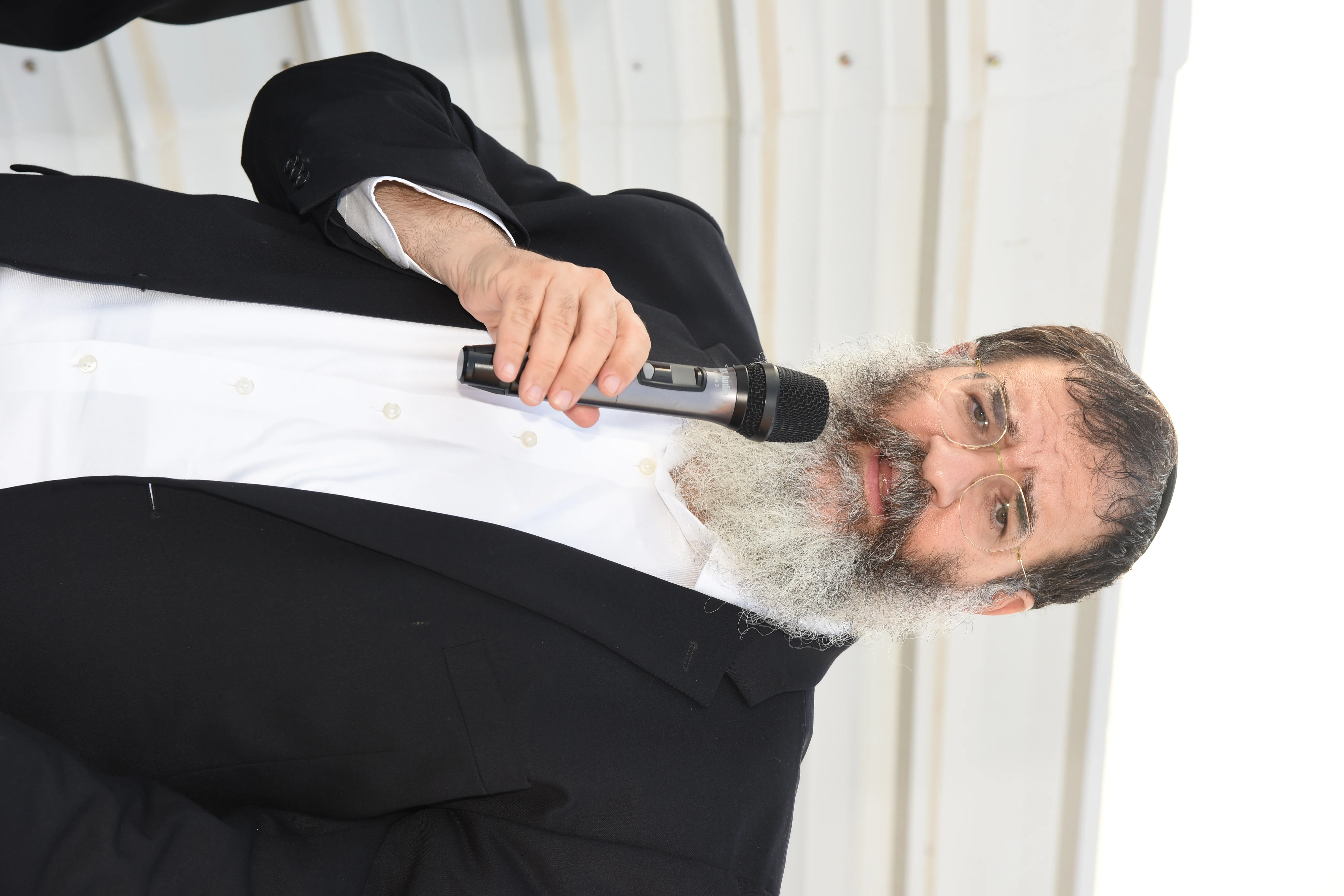
David Mavashev, president of the Yitzhak Mavashev Foundation – Institute for the Study of Bukharian Jewish Heritage in the Diaspora, reflected on the legacy of his father, Yitzhak Mavashev, who received semicha (rabbinic ordination) from Rabbi Shlomo Elizarov, the renowned Talmudic scholar and religious leader who arrived from Jerusalem in the early twentieth century and established a traditional Talmud Torah school in Samarkand in 1908.
While working for the state publishing house and national broadcasting organizations in Uzbekistan and Tajikistan, Yitzhak Mavashev quietly prepared the young Yushvah Muradov for the rabbinate. Muradov would go on to serve the Jewish community of Dushanbe until the collapse of the Soviet Union and his eventual immigration to Israel.
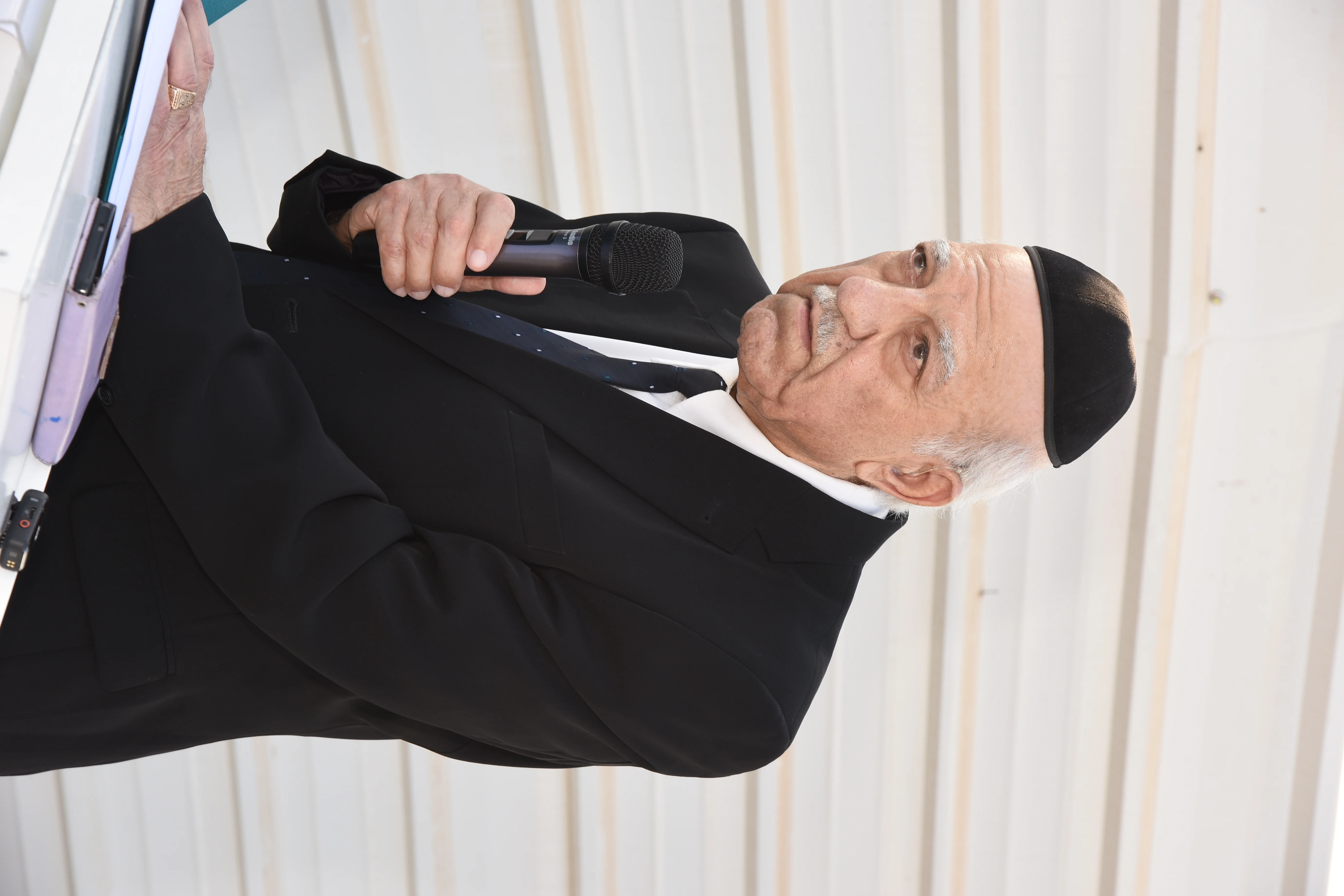
Another memorable address came from Rafael Nektalov, Editor-in-Chief of The Bukharian Times. He described Lev Leviev as someone who had unlocked the deeper code of Bukharian Jewish identity—not as dry historical material, but as a living memory preserved in synagogues, in the voices of children, in journeys back to ancestral roots, and in the rediscovery of Jewish identity itself.
Nektalov’s reflections on Samarkand, on Leviev singing traditional religious melodies in the historic Gumbaz Synagogue—a place where he later brought nearly all of his children and many of his grandchildren—and on those rare moments when time itself seems to stand still became one of the evening’s most poetic highlights.
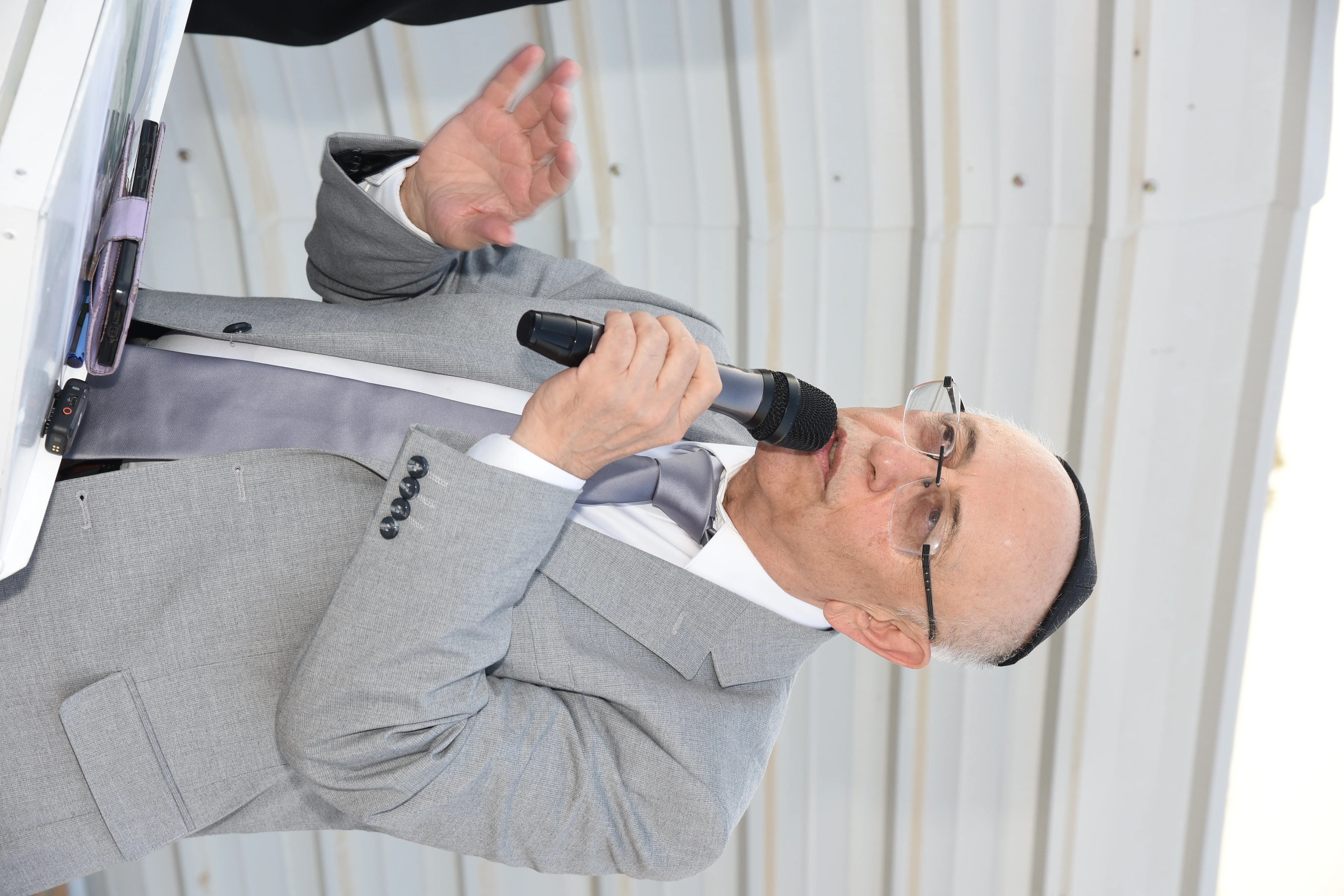
He also spoke about Lev Leviev’s belief that Bukharian Jews possess an enduring drive to grow spiritually through Torah and Talmud study and to pass those values on to future generations. During the Soviet era, Samarkand became an important center of Jewish religious life because it was home to the underground Lubavitch yeshiva, whose influence profoundly shaped the religious outlook and practice of Bukharian Jews throughout Uzbekistan.
Photographs by Foto-Nissim and other photographers captured not only the faces of those gathered in Petah Tikva, but also the warmth, dignity, and spirit of the occasion.

Special recognition was also given to the evening’s distinguished guests, whose presence added significance to the event. Among them were Yossi Niyazov, Director of the Congress of Bukharian Jews; Mark Fazylov, editor of the magazine Bukharian Jews; Avraham Pinkhasi, editor of Marvorid; renowned tour guide Giora Yakhiel, whose work keeps the community’s history alive; and representatives of the Lira Cultural Center, including the author of this article, Lea Kaikova, Bella Alishayeva, and others.
Gatherings like these—bringing together guardians of memory, cultural leaders, community representatives, and individuals deeply devoted to the Jewish people—become far more than formal commemorations. They stand as living expressions of continuity, communal unity, and the enduring strength that ensures the name of Rabbi Zavulun Leviev and the legacy of people like him continue to live on—in the hearts of the community, in the streets that now bear his name, and in the lives of future generations.
ABA PRIEV
This was translated
from Russian and edited.