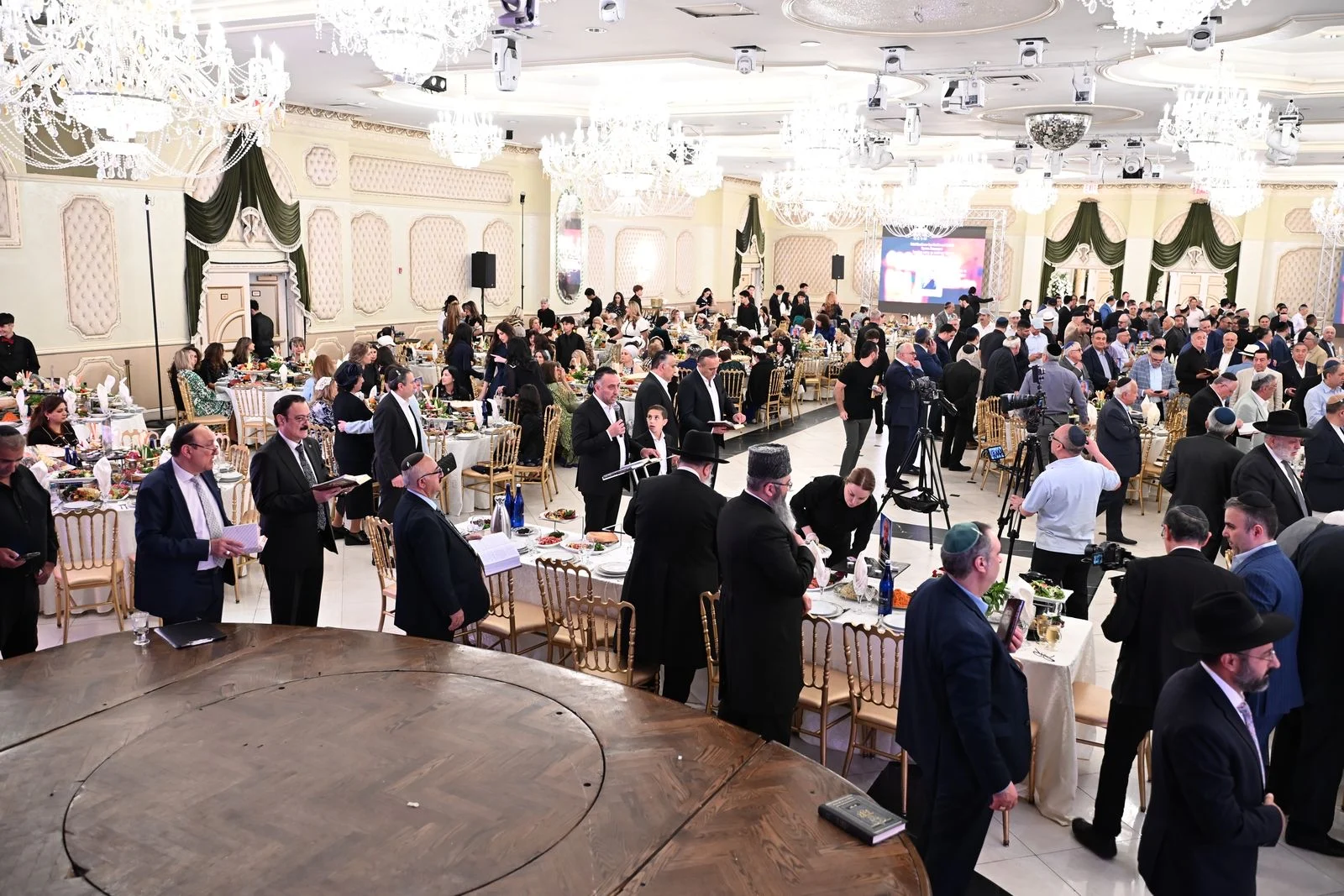
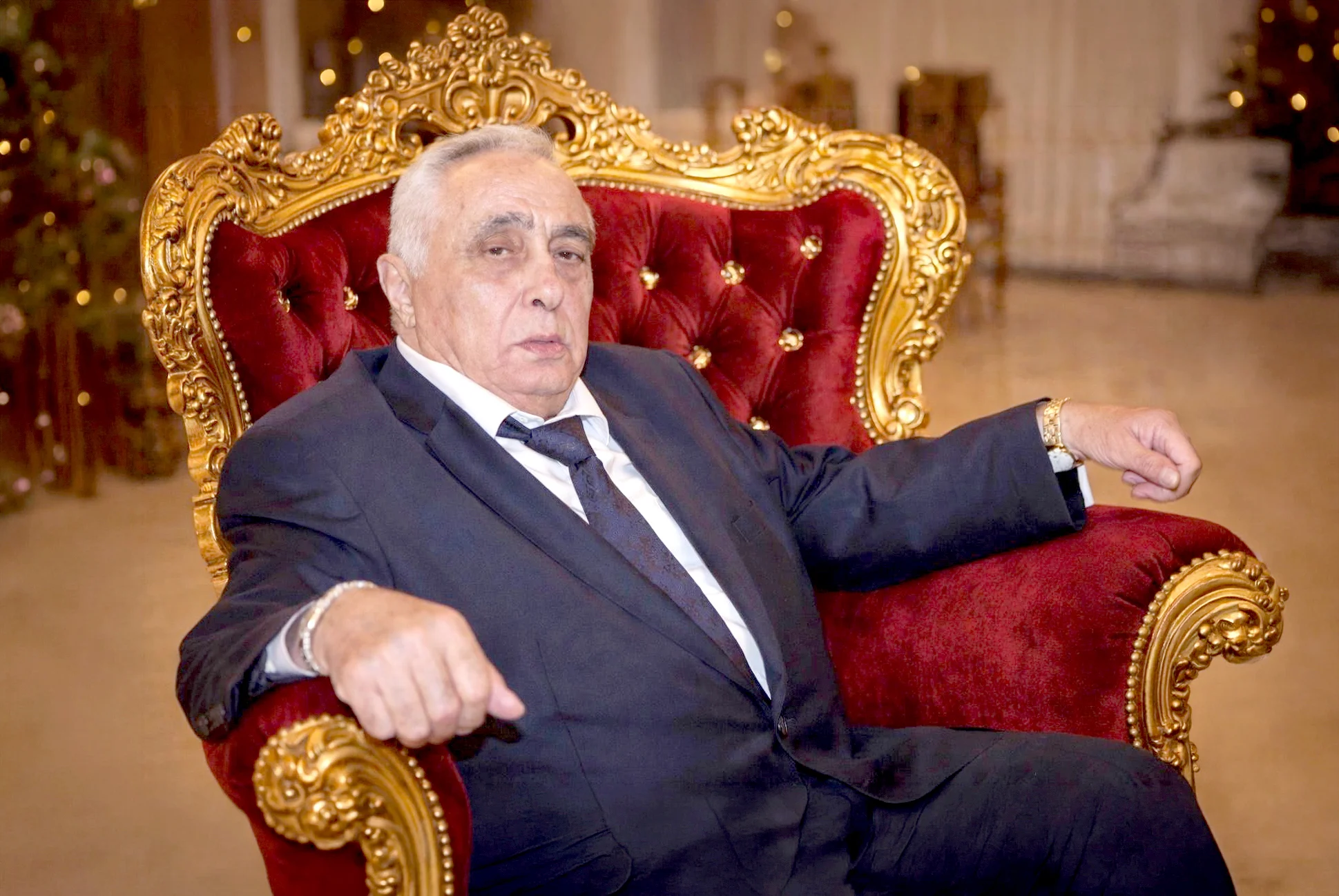
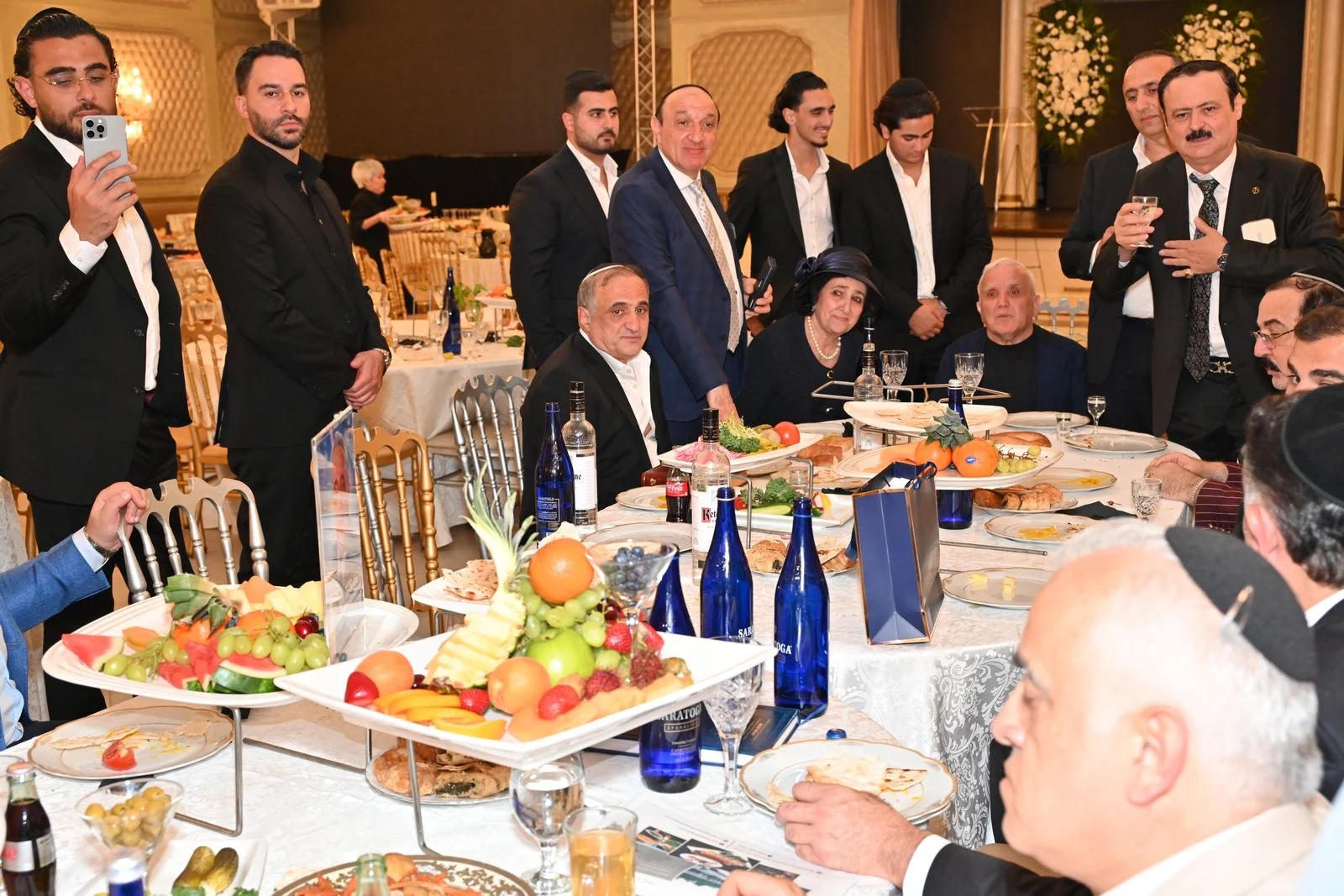
Nearly 600 family members, friends, and community leaders gathered at Da Mikelle Palazzo in New York on July 20, 2026, to honor the life of Uriel ben Malkiel and Burkho Kandkhorov. Many had traveled from Israel to join loved ones from across the United States, a testament to the profound respect and affection inspired by a man whose influence reached far beyond his immediate family.
The evening was not simply a memorial service. It was a celebration of a life distinguished by humility, generosity, unwavering faith, and devotion to family. Every prayer, every remembrance, every song, and every heartfelt embrace reflected the same message: Uriel Kandkhorov had left an enduring imprint on all who knew him.
To his family, he was a devoted husband, father, grandfather, brother, and uncle. To his friends, he was a trusted confidant whose advice was sought and whose kindness never failed. To the Bukharian Jewish community, he belonged to the generation that preserved centuries-old traditions while helping build vibrant new communities in Israel and the United States. His life demonstrated that true leadership is often exercised quietly—not through titles or public recognition, but through personal example.
Faith, Family, and Community
The memorial opened with prayers led by Rabbi Emmanuel Shimonov, who spoke movingly about the qualities that defined Uriel throughout his life. He described a man of genuine modesty whose faith was expressed through daily actions rather than words alone. His generosity was never intended to attract attention. Helping others simply came naturally to him.
Rabbi Shimonov also praised Uriel’s children for the way they honored their father during the traditional year of mourning. They faithfully attended prayer services, observed the Sabbath, and fulfilled every religious obligation associated with mourning. Their commitment, he observed, reflected the values that Uriel had instilled in them from childhood. The greatest tribute children can offer their parents is not only remembrance, but living according to the principles they were taught.
The rabbi emphasized that Uriel’s influence extended well beyond his own family. Throughout his life he quietly supported charitable causes, assisted those facing hardship, and strengthened institutions that preserved the religious and cultural heritage of Bukharian Jews. He never sought recognition for these acts of kindness. They were simply part of his character.
Chief Rabbi of the Bukharian Jews of the United States and Canada, Rabbi Baruch Babaev, continued this theme by speaking about the remarkable home that Uriel and his beloved wife, Nina, created together.
It was a home where Jewish tradition was not reserved for holidays but became part of everyday life. The Torah guided family life. The Bukharian language was spoken with pride. Traditional maqoms filled the home with music. Customs were observed naturally, and every generation understood its responsibility to preserve the family’s history and pass it forward.
Rabbi Babaev reminded those gathered that heritage survives only when it is lived. Uriel understood that preserving identity required more than remembering the past—it required teaching children and grandchildren to embrace their traditions with joy and conviction. Through his own example, he demonstrated that faith, culture, and family are inseparable.
Those words resonated deeply throughout the evening.
A particularly moving atmosphere was created by Emmanuel Israilov, who traveled from Israel to participate in the memorial. Widely respected as a master storyteller and performer of Bukharian Jewish music, he blended poetry with traditional melodies that captured both the sadness of loss and the gratitude that accompanies a life well lived. His performance reminded everyone that while death brings sorrow, memory can also bring comfort and inspiration.
As the program continued, one impression became increasingly clear. The greatest tribute to Uriel Kandkhorov was not contained in any single speech. It could be seen in the remarkable family he and Nina had built, in the respect shown by friends and colleagues, and in the hundreds of people who had gathered to honor him. Those themes reached their emotional peak when his son, Natanel Kandkhorov, came to the podium.
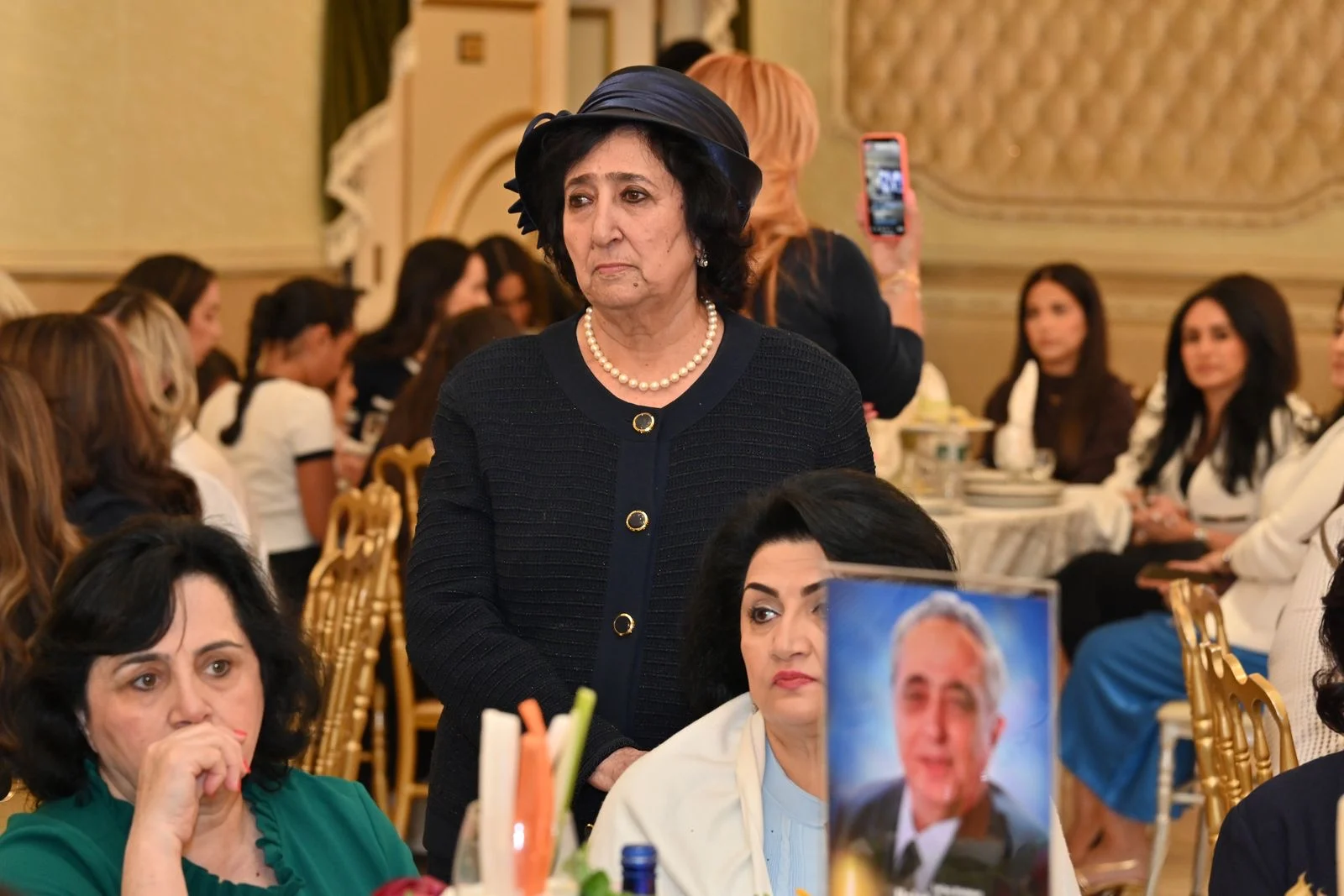
A Son’s Tribute Through Torah
The hall grew silent.
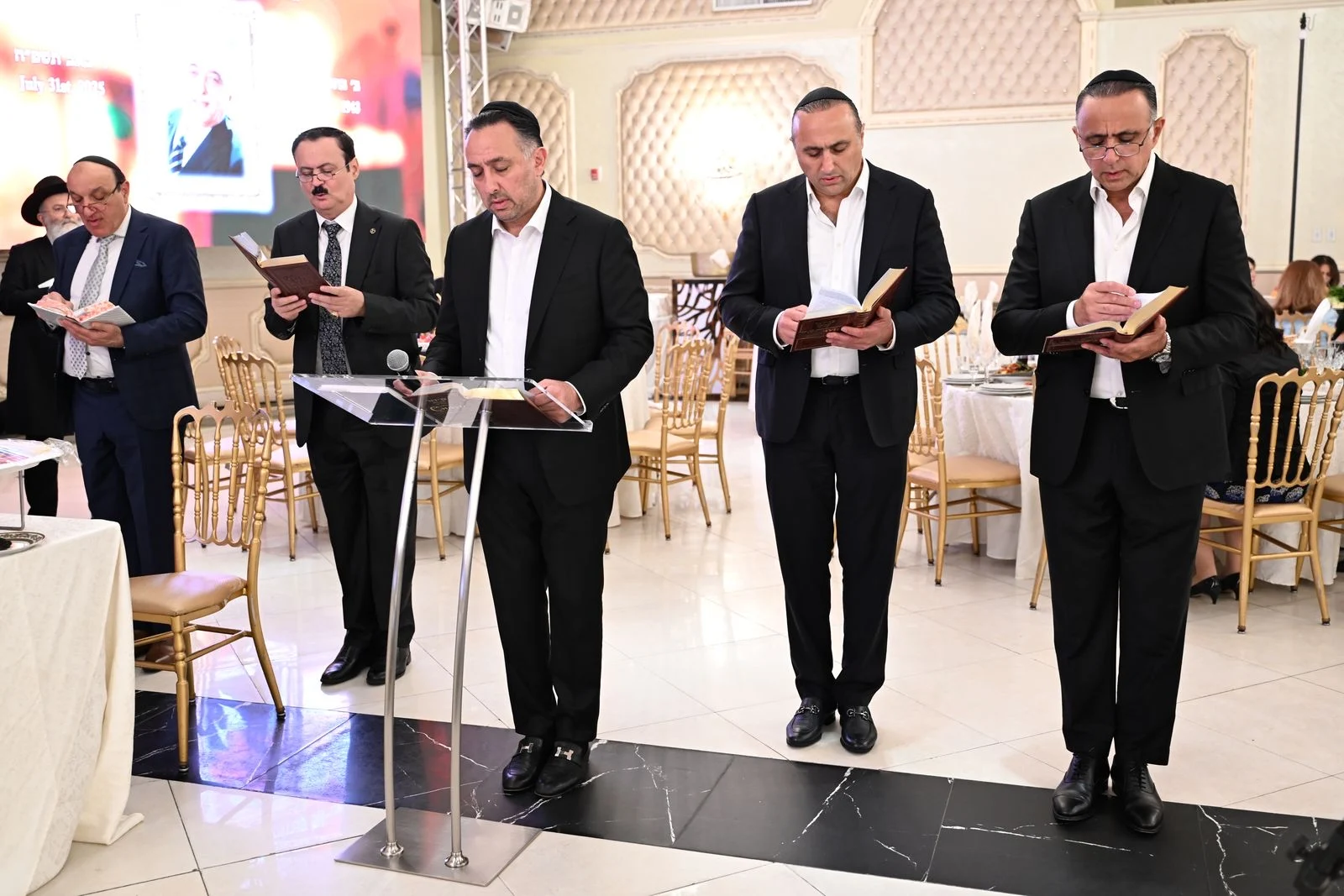
Standing beside Natanel were his sons, symbolizing the continuity of generations. Nearby stood Rabbi Baruch Babaev and Natanel’s brothers, Ariel and Daniel. Their presence reflected the unity of a family bound together not only by grief, but by shared faith and enduring values.
Natanel chose an extraordinary way to honor his father.
For an entire year he devoted himself to studying Tractate Ta’anit of the Talmud, completing it on the day of the memorial through a traditional Siyum Masechet. More than an academic accomplishment, it was a deeply personal offering—a son’s expression of gratitude and love.
Addressing those assembled, Natanel explained that his decision to study Ta’anit arose from a desire to understand more deeply the moral teachings of Judaism.
«This tractate contains profound philosophical and ethical lessons that helped me better understand many of the questions people face today. I was privileged to study these teachings under the guidance of Rabbi Yosef Hiyaev of Torah House.»
He explained that while Ta’anit is commonly associated with communal fasts and prayers for rain, its true message extends far beyond ritual observance.
When rain fails to come, the Talmud does not merely prescribe fasting. It calls upon people to examine themselves, strengthen their faith, improve their character, and deepen their concern for one another. Fasting, Natanel observed, is meaningful only when accompanied by repentance, compassion, generosity, and spiritual renewal.
These teachings transformed his understanding of the tractate. What began as a study of ancient religious law became a guide to living a life of integrity and responsibility.
He also reflected on the way Ta’anit recalls both sorrow and joy—from the destruction of the Holy Temple to the celebrations of Yom Kippur and Tu B’Av—reminding Jews that hope often emerges from adversity.
Among all the passages he studied, one spoke to him more powerfully than any other.
He recalled the teaching of the Babylonian sage Rabbi Adda bar Ahavah, who, when asked what merited his long life, answered not by speaking of scholarship or achievement, but by describing the principles that guided his daily conduct.
He never allowed anger to dominate his home. He honored his teachers. He never rejoiced in another person’s misfortune. And he never humiliated another human being.
As Natanel repeated those words, many in the audience immediately understood why he had chosen this teaching.
«These,» he said quietly, «were the qualities that defined my father.»
Completing the tractate, he explained, was never intended simply to mark the end of a year of study. Rather, he hoped it would encourage everyone present to honor loved ones by living according to the values they leave behind.
He concluded by reflecting that Yom Kippur teaches reconciliation between humanity and God, while Tu B’Av celebrates harmony among people. Together, they embody the ideals by which his father lived: faith, compassion, humility, and love for others.
For many in attendance, Natanel’s remarks became the spiritual heart of the evening. They demonstrated that Uriel Kandkhorov’s legacy survives not only in memory, but in the lives of those who continue to follow his example.
A Life Remembered Through Film and Songs
Following Natanel’s address, guests watched a moving documentary created by filmmaker Ariel Rubinov, tracing Uriel’s remarkable journey from Samarkand to Dushanbe, from Israel to the United States.
Rather than presenting a simple chronology, the documentary revealed the character of the man behind the milestones. Through photographs, home movies, and family recollections, viewers encountered a husband devoted to his wife, a father who taught by example, a grandfather whose greatest joy was his family, and a member of the community whose kindness touched countless lives.
The narrative unfolded through the voices of those closest to him. Nina spoke with quiet dignity about the life they built together. Ariel, Daniel, Natanel, and Bella remembered a father whose wisdom was expressed through actions more often than words. His brother Gabriel, his sister Raya, grandchildren, nephews, nieces, and other relatives added memories that together created an intimate portrait of a man respected not because he demanded admiration, but because he earned it through kindness, integrity, and unwavering devotion to those around him.
One image appeared again and again throughout the documentary: the open door of the Kandkhorov home.
Friends and relatives remembered that everyone was welcome. Hospitality was never merely a social custom—it reflected Uriel and Nina’s belief that every guest should be treated like family. Their home became a gathering place where traditions were preserved, friendships strengthened, and generations connected.
For many viewers, that image explained better than any speech why so many people had gathered that evening. Uriel Kandkhorov had spent a lifetime opening his home and his heart to others.
Following the documentary, several respected members of the community—including Aron Aronov, Director of the Museum of Bukharian Jewish Heritage, Rabbi Yosef Akilov, and restaurateur Michael Zavulunov—shared personal reflections, each emphasizing the same enduring truth: Uriel’s life enriched not only his own family, but the entire Bukharian Jewish community.
The evening then turned once again to music…
The evening then turned once again to music, an essential part of Bukharian Jewish culture and one of the traditions Uriel Kandkhorov cherished throughout his life.
Among the evening’s most memorable performances was «Sayyora,» beautifully interpreted by Roshel Rubinov and Ilyusha Khavasov. Written by the celebrated Uzbek poet Furqat and set to music by Hamza, the song has become deeply woven into the cultural memory of Bukharian Jews.
Its image of a bird longing to escape its cage has long symbolized exile, hope, and the enduring desire to return home. For generations of Bukharian Jews who left Central Asia to begin new lives in Israel and the United States, the song carries a meaning that is both personal and collective. As one participant quietly observed during the evening, «It is our song.»
Its performance touched everyone present because it echoed the journey of Uriel’s own generation—a generation that crossed borders and continents while preserving its language, traditions, music, and faith. The song became more than a musical selection; it became a tribute to an entire people whose identity endured despite the many places they came to call home.
Yet the evening’s emotional climax was still to come.
The Music That Carried a Legacy
Every culture preserves its history in different ways. Among Bukharian Jews, many of those stories are carried not only through books and memories, but through music.
The appearance of Avrom Tolmasov, one of the most beloved voices in Bukharian Jewish music, brought the evening to its emotional peak.
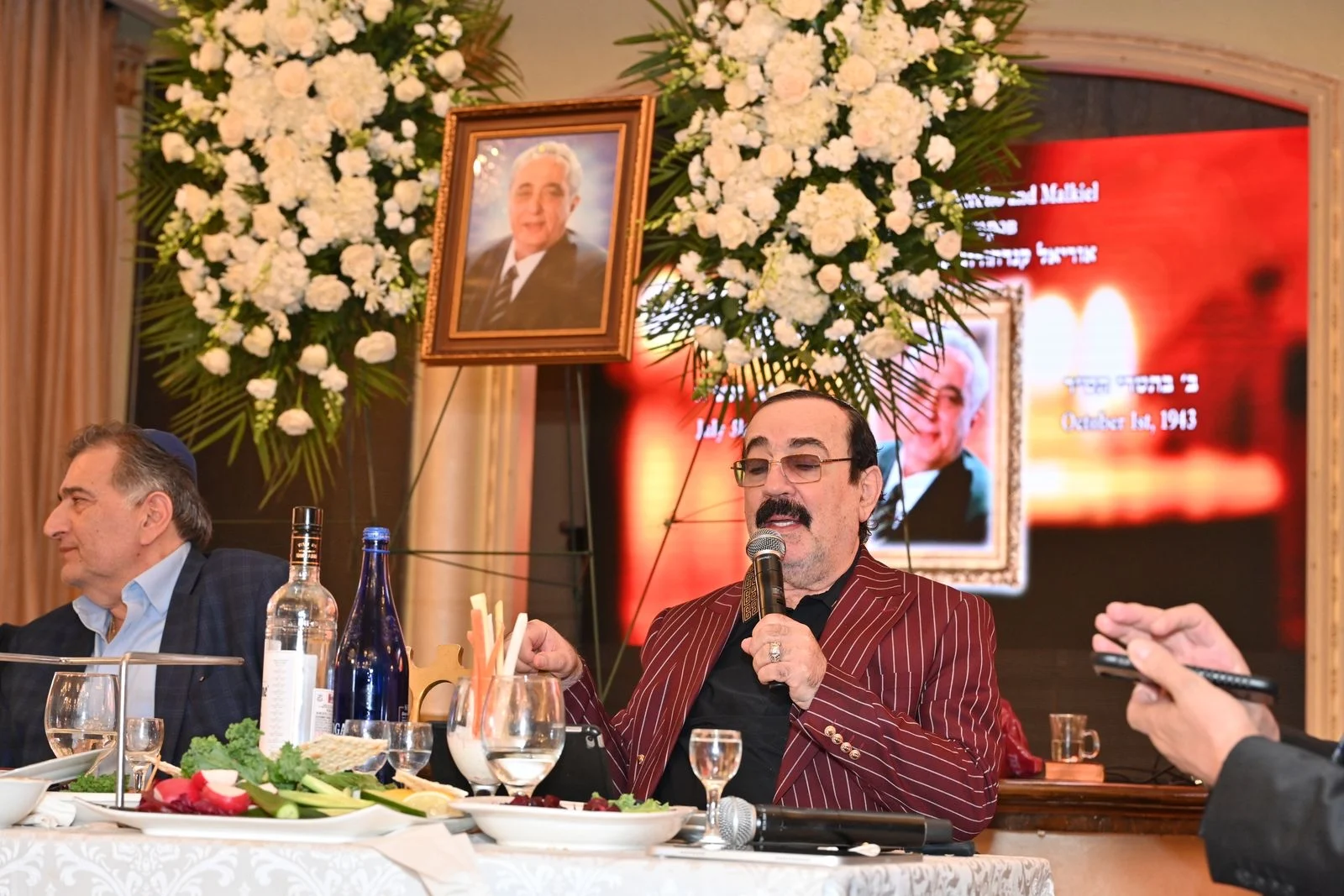
Uriel admired Tolmasov’s artistry throughout his life, making his participation especially meaningful. Earlier in the evening, Tolmasov had appeared in the documentary, speaking warmly of Uriel and recalling the friendship and mutual respect they shared over many years. Seeing him now on stage transformed those memories into living tribute.
Tolmasov possesses the rare ability to make every performance feel deeply personal. Rather than simply singing familiar melodies, he brings them to life with extraordinary sincerity and emotional depth. His interpretations preserve not only music but the collective memory of an entire community.
That evening, his voice seemed to unite generations.
For older guests, the songs awakened memories of childhood in Samarkand and Dushanbe, of family celebrations, neighborhood gatherings, and evenings filled with maqom music. Younger listeners, many born thousands of miles away from Central Asia, experienced something equally meaningful: a living connection to the heritage their parents and grandparents had worked so hard to preserve.
Particularly moving were Tolmasov’s performances of songs based on the poetry of Roshel Rubinov. Together, poet and singer have created works that speak directly to the Bukharian Jewish experience, continuing a rich artistic tradition associated with the great masters Ilyas Mallayev and Ilyusha (Kozi) Abramov. Their collaboration demonstrates how poetry and music can preserve history as powerfully as written words.
As the songs filled the hall, many guests were visibly moved. Some quietly wiped away tears. Others smiled as familiar melodies carried them back across decades of memory. In those moments, music became a language shared by everyone in the room—a language of remembrance, gratitude, and hope.
When the formal program concluded, many guests slowly departed. Family members and close friends, however, remained together, reluctant to let the evening end.
Avrom Tolmasov continued to sing.
The atmosphere became more intimate, almost as though everyone had been transported back to the Kandkhorov family home in Samarkand, where music was an inseparable part of everyday life and hospitality was offered with warmth and sincerity. It was easy to imagine the voices of the great maqom masters echoing through those rooms, preserving traditions that would later travel with the family to Israel and America.
In that quiet gathering, remembrance became something more than memory. It became a living presence.
A Legacy That Endures
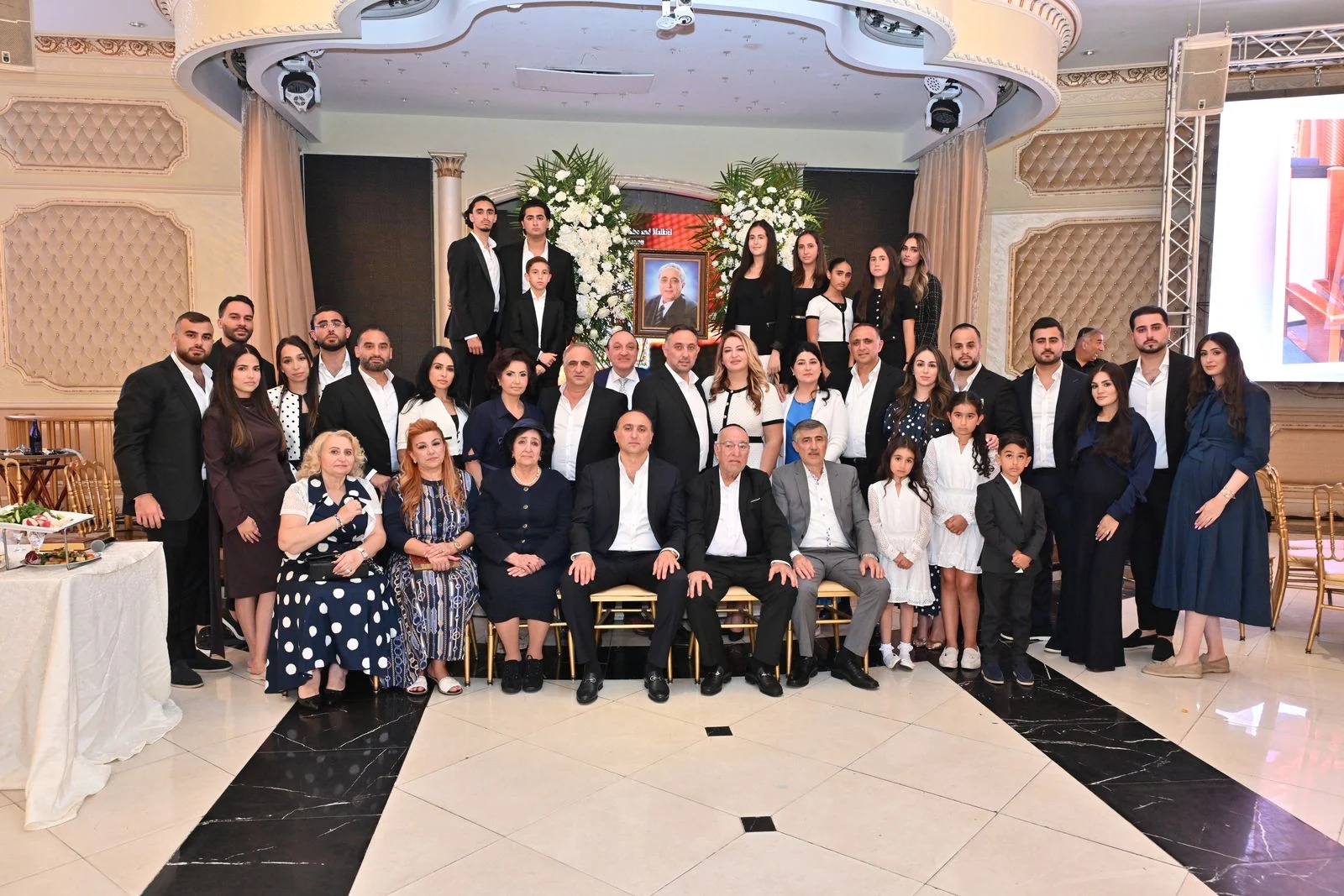
The memorial concluded as it had begun—with family.
That was perhaps the most fitting tribute to Uriel Kandkhorov, whose life was defined by devotion to those he loved. Every speaker, every prayer, every musical performance, and every personal reflection pointed to the same truth: his greatest achievement was not measured by wealth, public recognition, or professional success, but by the lives he enriched and the values he passed to future generations.
His legacy lives on in his beloved wife, Nina, whose partnership with him spanned a lifetime of shared faith and mutual devotion. It lives on in his children—Ariel, Daniel, Natanel, and Bella—who continue to honor his example through their own families and their commitment to Jewish tradition. It lives on in his grandchildren, who inherit not only cherished memories but a rich spiritual and cultural heritage.
It also lives on throughout the Bukharian Jewish community.
Those who gathered that evening came not only to remember a remarkable man, but to reaffirm the ideals by which he lived: humility, kindness, generosity, faith, hospitality, and responsibility to one’s family and community. These are values that cannot be inherited automatically; they must be lived, taught, and renewed by every generation.
As the guests departed, they carried with them far more than memories of a memorial service. They carried renewed appreciation for a life that demonstrated how quiet acts of goodness can leave an enduring mark on countless people.
By every measure that truly matters, Uriel Kandkhorov lived an extraordinary life.
His memory endures in the strength of his family, in the traditions he helped preserve, in the community he served with quiet generosity, and in the countless lives touched by his compassion, wisdom, and integrity.
May his memory forever be a blessing.
Photo by Mikhail Kaykov
Translation by David Mavashev
By Rafael Nektalov
Editor-in-Chief of The Bukharian Times