
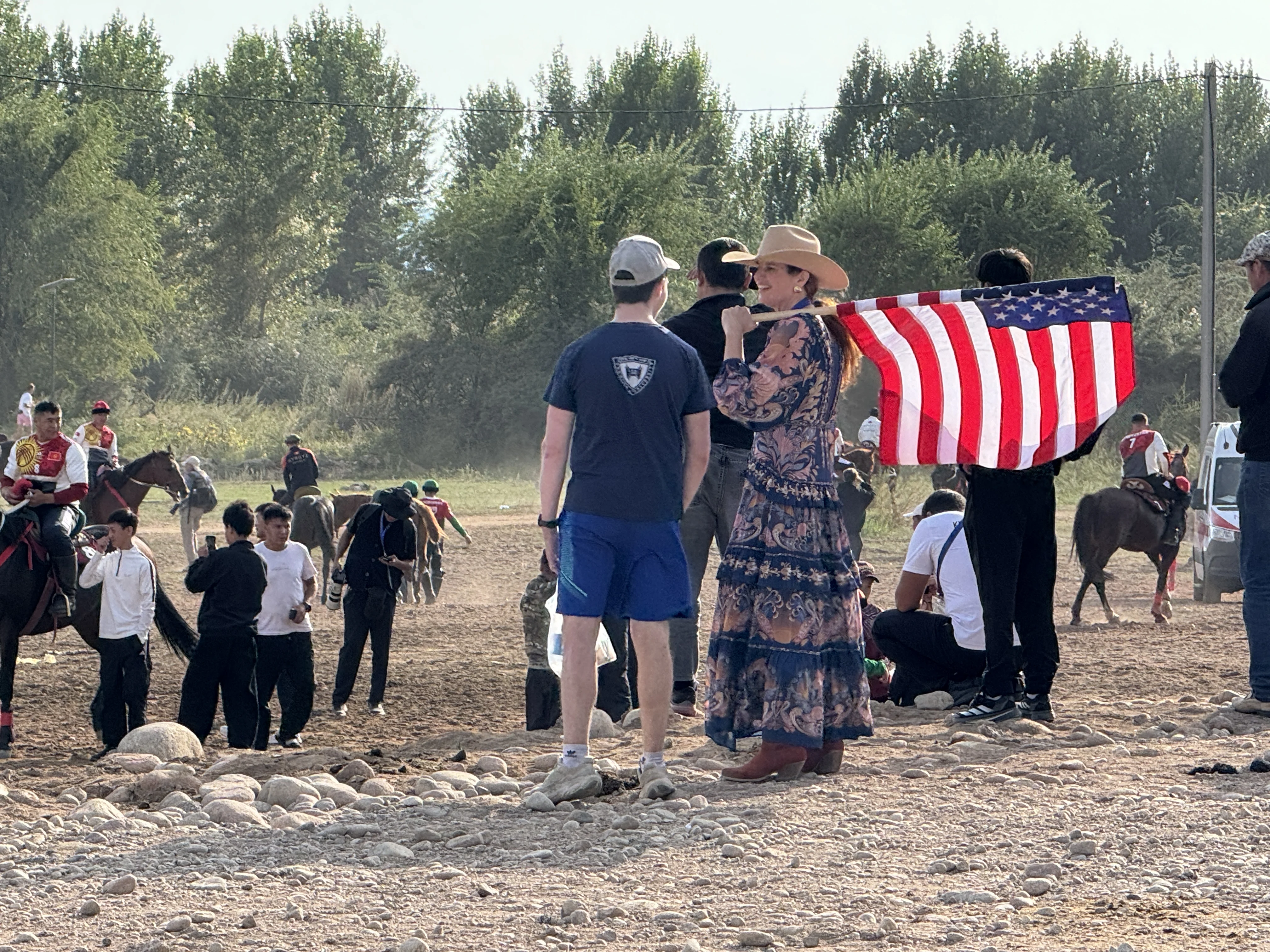
A cowgirl was waving an American flag. Beside her stood a young man in a Yeshiva University shirt. In New York, or Anywhere, USA, this would be normal-ish.
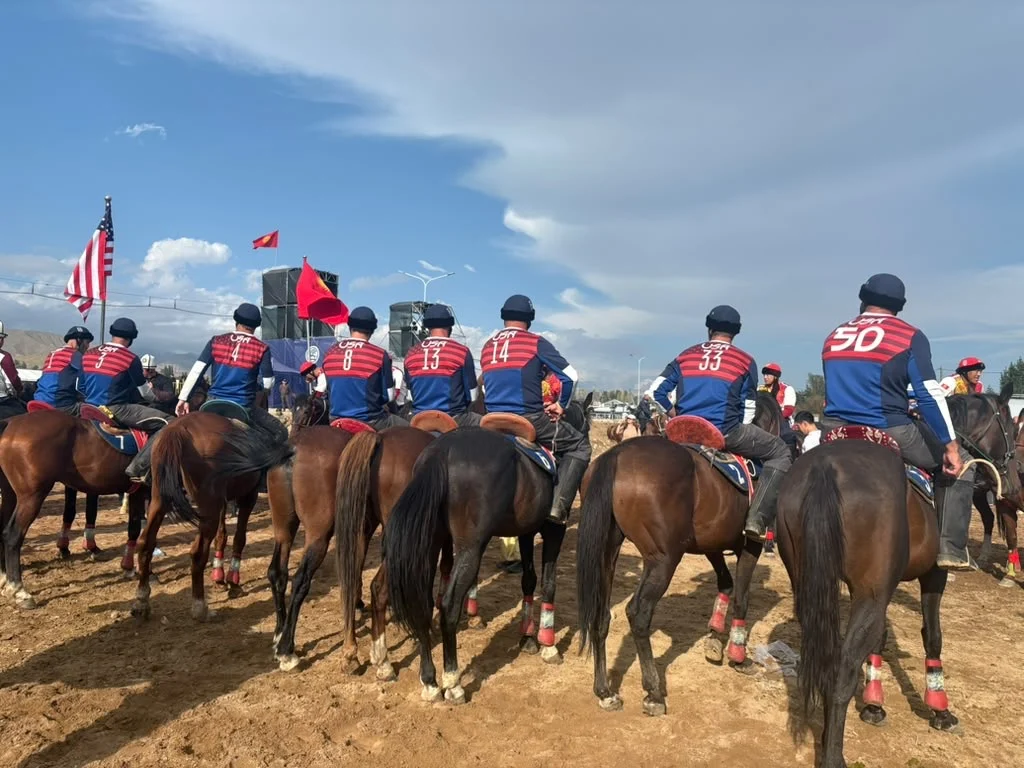
But I was not in New York. I was approximately 6,888 miles away—in Kyrgyzstan—attending the 6th World Nomad Games in Issyk-Kul, surrounded by horsemen competing in kok boru. We were there waiting for the U.S. team to face Kyrgyzstan in the Kyrgyz national sport, a game best described as polo on horseback played with the carcass of a dead goat.
Happy to see a fellow Jew, I approached Moshe, 21. A senior at YU in his last semester, he’s here on an end-of-summer trip with two friends. The idea wasn’t his: «He likes wild trips,» Moshe said of the friend who planned it. «So he had the idea to come here, and I said I’m in.»
They started in Uzbekistan. Moshe had hoped for Bukhara — «I really like Jewish history» — but there wasn’t enough time. Given one day and a choice between Tashkent and Samarkand, he chose Samarkand. He went to the synagogue, walked the former Jewish Quarter, read into the history. Then he went to the Jewish cemetery.
«IT’S LIKE THE NICEST CEMETERY I’VE EVER SEEN.»
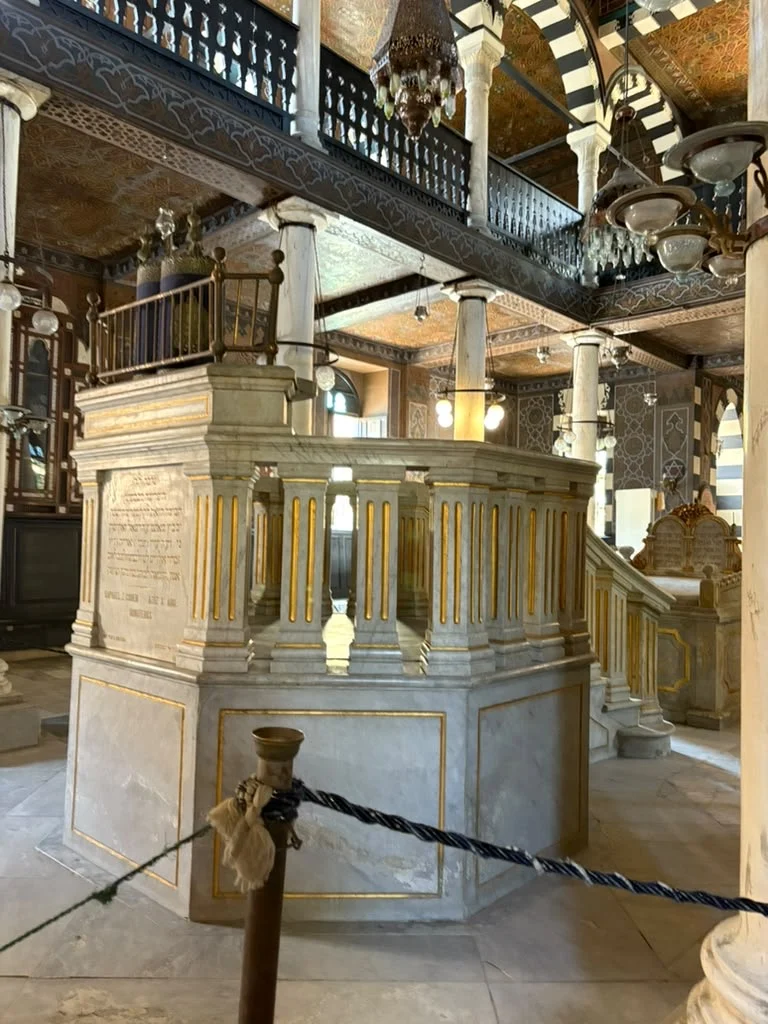
He explained why that surprised him. On trips he seeks out old cemeteries, partly because he assumes nobody else does. «I feel like people don’t ever visit. So I’m like, okay, I’ll go visit this old cemetery, it’s probably a mess and no one ever goes there. And then I go, and it’s beautiful. There’s plenty of people there.»
What he had walked into was, in large part, the work of Queens, I explained. The upkeep of Samarkand’s Jewish cemetery is funded heavily by our community of Bukharian Jews in New York, who fundraise for its maintenance and travel back to visit the graves of their ancestors. When I told him, he said: «That’s beautiful.»
Moshe’s own ancestors are from elsewhere. His family, like mine, is German — a grandfather from Fürth, near Nuremberg, a grandmother from another small town — though he grew up on the Lower East Side, where his father was born before him. He’s considering claiming German citizenship. A cousin has already done it (as have I).
Moshe and his buddies reached Bishkek, Kyrgyzstan at four o’clock on a Friday, too late to do anything but find the Chabad house, where they spent Shabbat. Sunday morning, they moved on to Issyk-Kul.
Moshe was one of many Jews I came across in ten days in Kyrgyzstan — a table of Israeli travelers at a restaurant for lunch (one was a Jew from Kazakhstan) to an American man living in Hawaii.
We are easier to find out here than most people assume. So are the ones who came before us, in Samarkand, their resting places still tended from Queens.
By Erin Levi
The Bukharian Times English Editor