
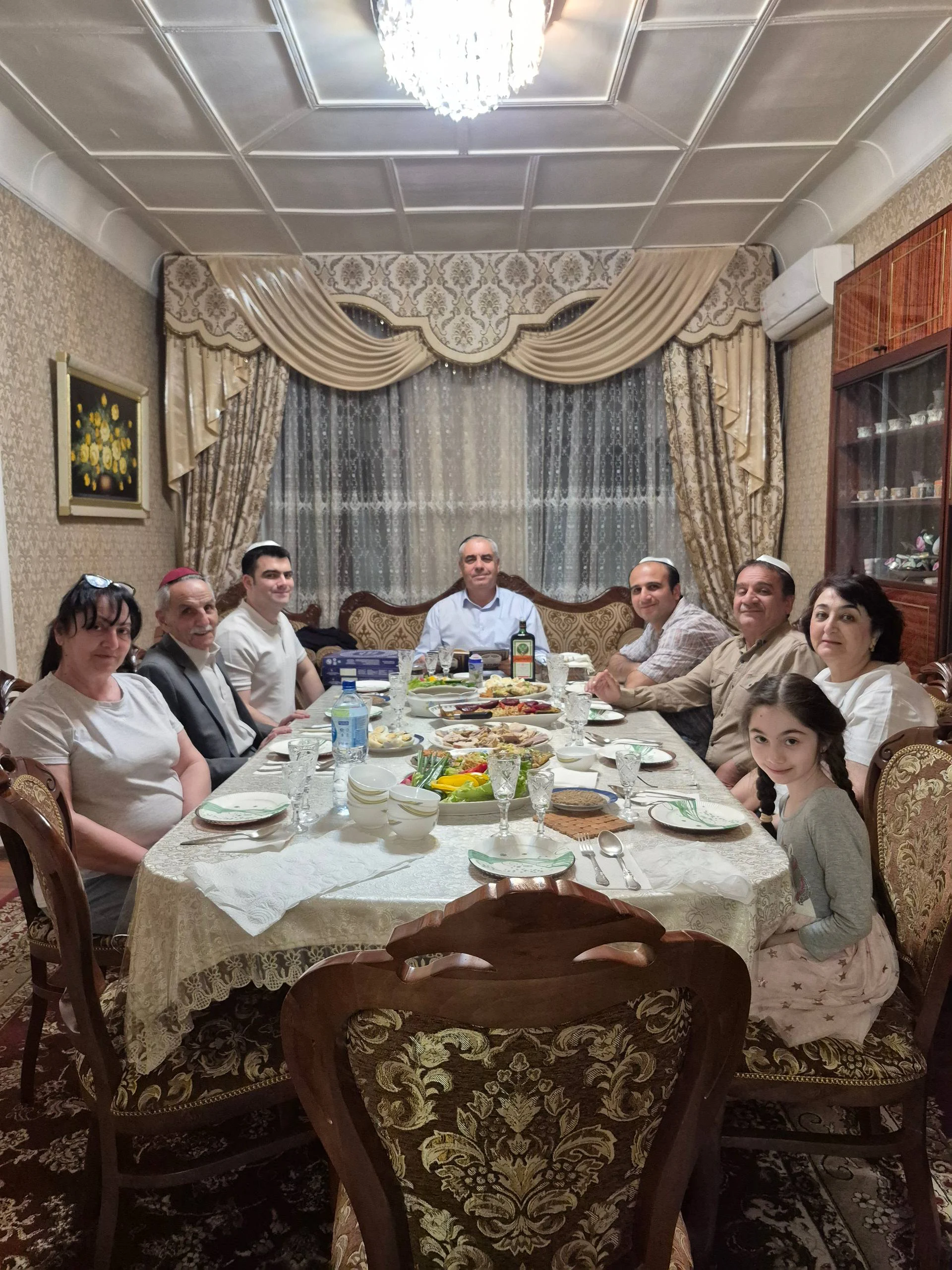
Passover in Uzbekistan is more than a religious holiday. In Tashkent, we genuinely look forward to it, prepare for it in advance, and talk about it within our families. Even those who don’t strictly observe every tradition during the year try, during these days, to reconnect with their roots.
“For our community,” said Arkaidy Isakharov, head of the Tashkent Jewish Community, “Passover is an important symbol of generational continuity and the preservation of cultural heritage. In Tashkent, the Bukharian Jewish community has, for many years, treated these traditions with deep respect, enriching them with living meaning and contemporary relevance. The holding of prayers, festive Seders, and community gatherings during these days clearly demonstrates the strength of our connection to one another.”
This year, over 100 people attended the prayers in our Tashkent synagogue—mostly from Uzbekistan, as well as guests from the USA, Europe, Israel and Russia.
The preparation began well before the holiday itself. Homes go through what can only be described as a full-scale deep cleaning. And not just a quick tidy-up — everything is turned upside down. The main goal is to get rid of chametz, any leavened products. Cabinets, kitchens, cars, and even the pockets of old jackets are checked. It can be exhausting, but there’s something special about it — as if you’re not just cleaning, but getting ready for something meaningful and bright.
Another important part was matzah. This year, we distributed 3500g of boxes throughout the country. They are usually distributed through synagogues, and many people come specifically to collect it ahead of time. Some take it for themselves, others for parents or friends. These moments really highlight the sense of community — people greet each other, chat, and share news.
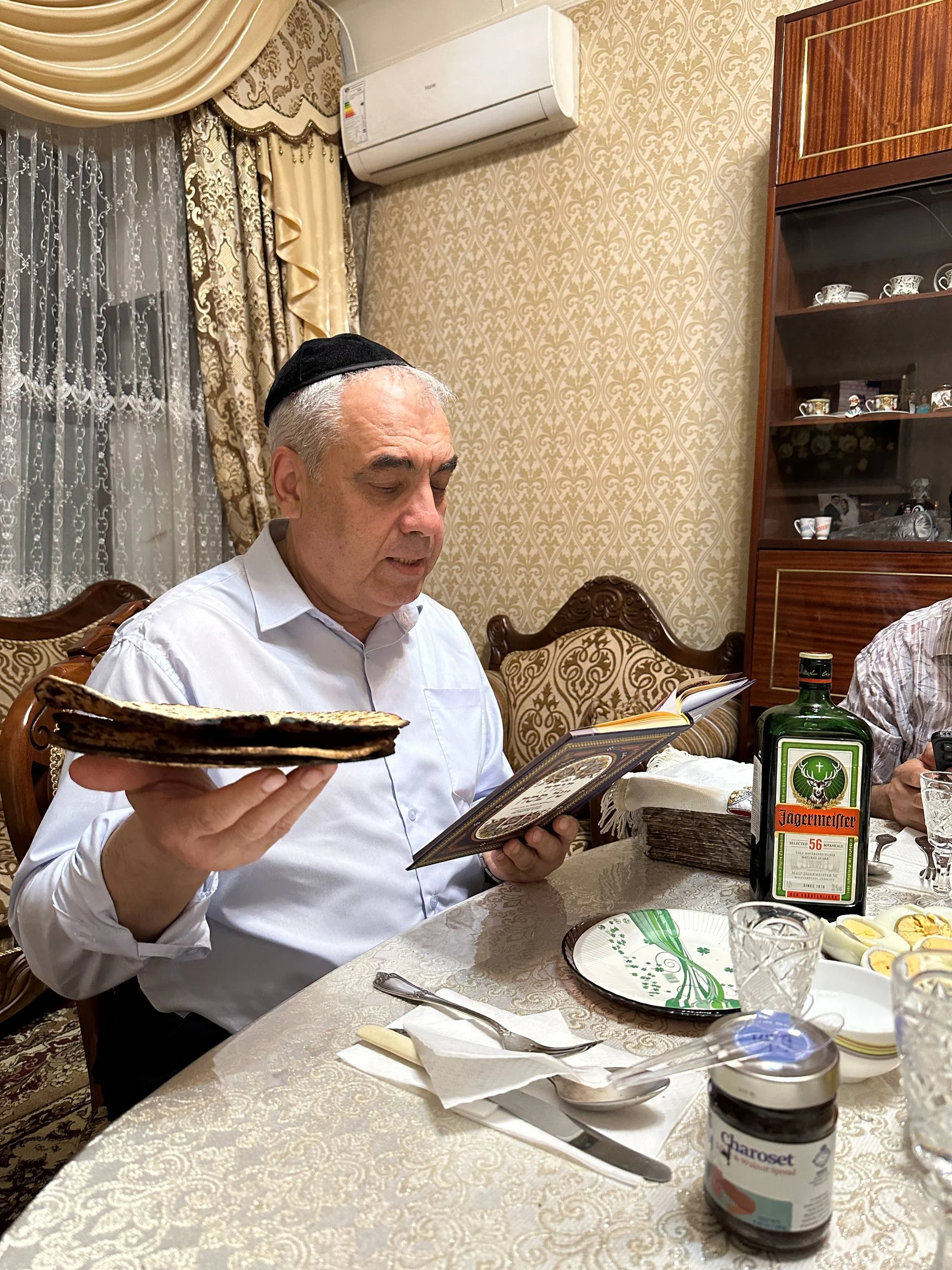
When the holiday finally begins, it all starts in the evening. People go to the Bukharian Jewish Synagogue of Tashkent — some with their families, others with friends. The atmosphere there is unique: a bit solemn, yet very warm. Familiar faces are everywhere, greetings are exchanged, and people who haven’t seen each other in a while finally meet again.
After the prayers, the celebration continued in a more relaxed, but no less meaningful setting. A communal Seder was organized for members of the community at one of the city’s hotels. Everything was carefully arranged in accordance with tradition: kosher-for-Passover meals, properly set tables, and an atmosphere of comfort and unity.
As tradition requires, the Haggadah was read, blessings were recited, children asked their questions, and adults shared stories. Yet everything felt very natural and heartfelt — not overly formal, but full of genuine emotion, smiles, and a real sense of celebration.
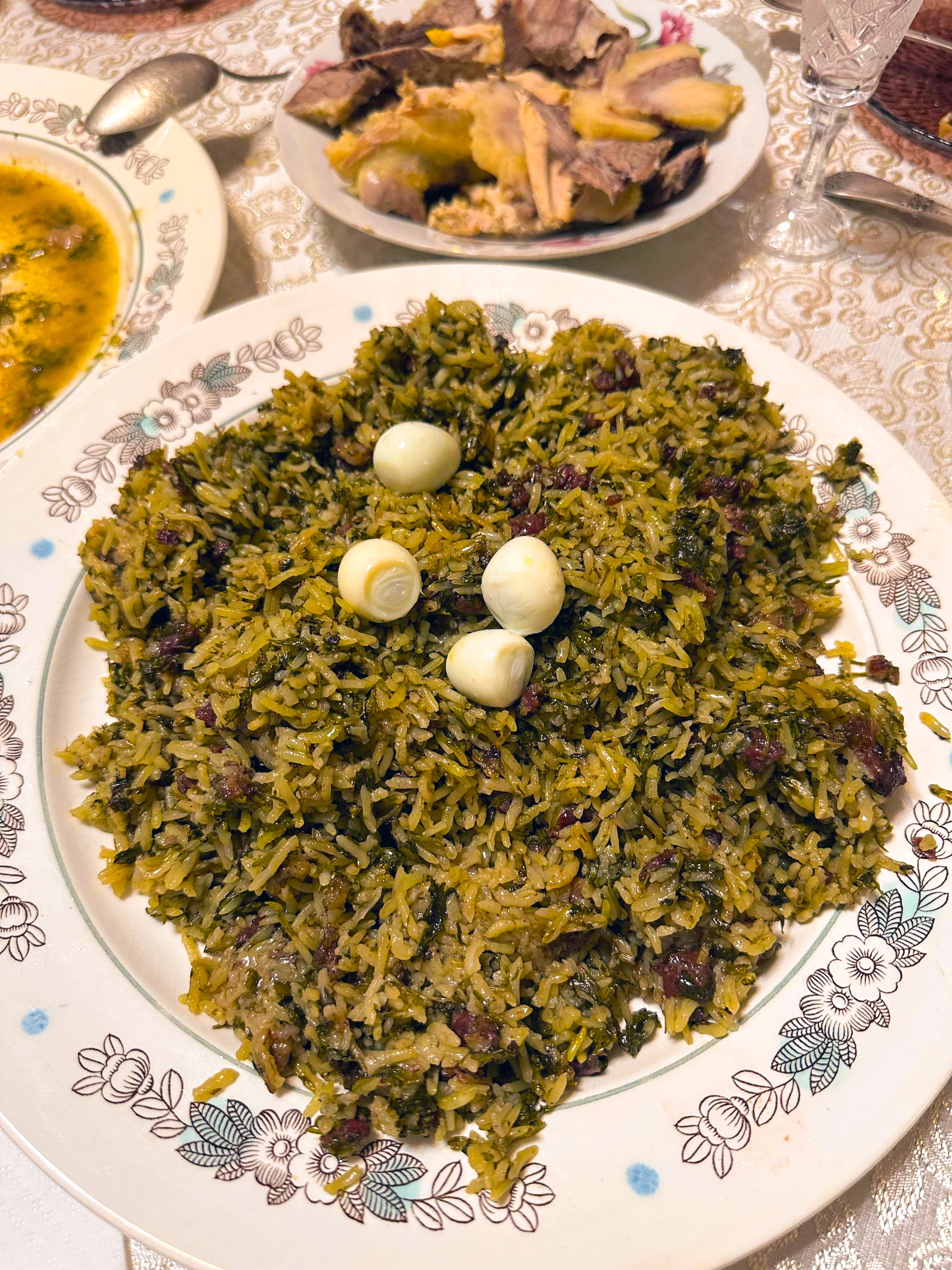
Special attention was, of course, given to the food. By tradition, guests were served fried fish and festive plov — dishes that are especially close to the Bukharian Jewish culinary heritage. This blend of religious observance and local flavor is what makes Passover in Tashkent truly unique.
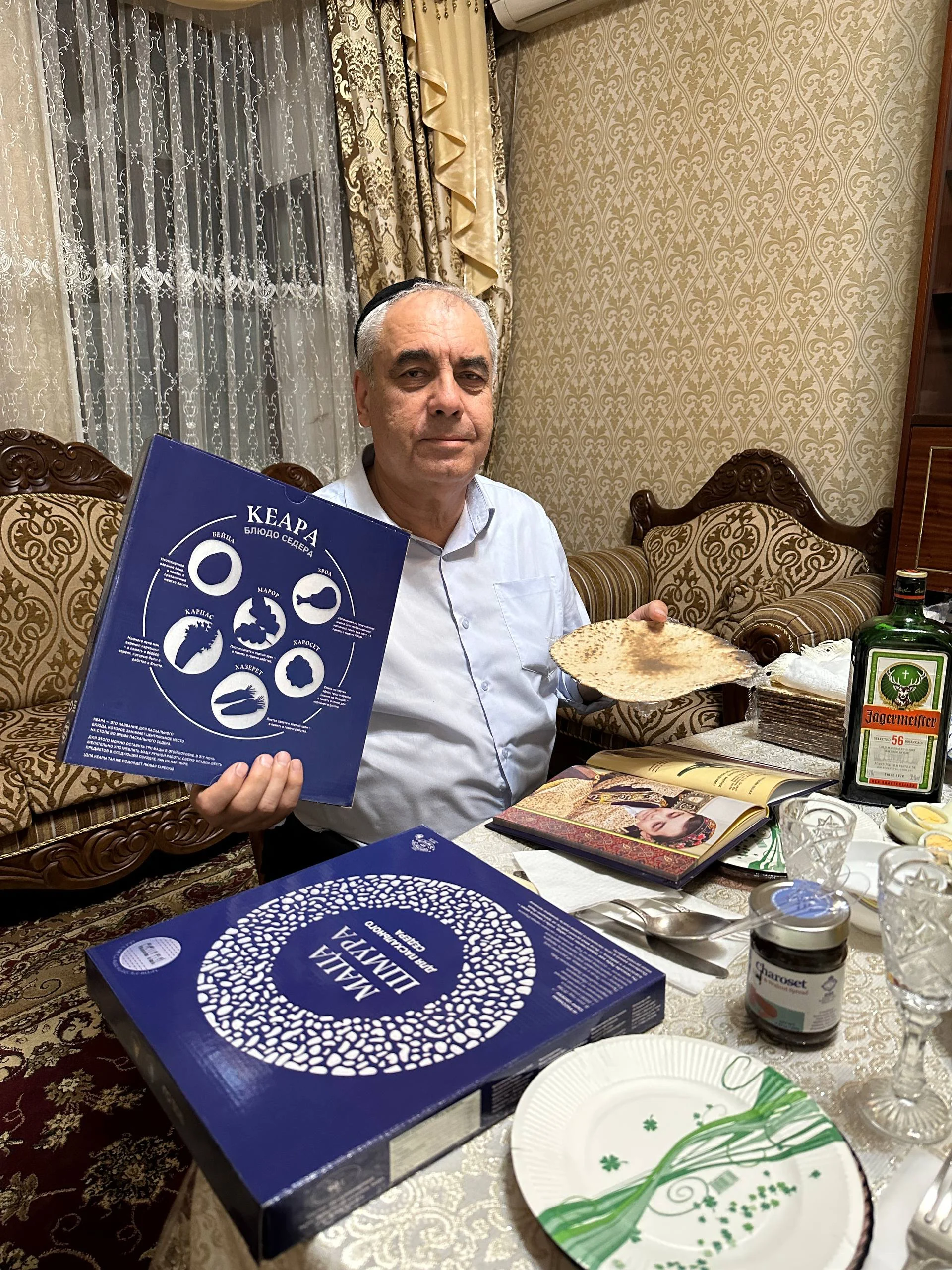
The second day we celebrated at home, where the Bukharian Jewish spirit could be felt in every detail: the cozy setting, close family and friends, unhurried conversations, and of course, a rich and welcoming table filled with delicious homemade dishes, prepared with care: family recipes, familiar flavors, and aromas that instantly bring back childhood memories. In moments like these, you really feel that Passover is not only about history, but about home, warmth, and the connection between generations.
Children are, of course, a special part of Passover. They ask the traditional questions, search for the afikoman and sometimes even “negotiate” for a reward. Adults may try to keep things serious, but in the end, it all turns into a warm and joyful family experience. And it is exactly through these moments that traditions are passed on — not through strict rules, but through living emotions and shared joy.
In Tashkent, large communal Seders are quite common with friends, neighbors, and sometimes even acquaintances. No one is left alone. If someone has nowhere to go, they are always invited.
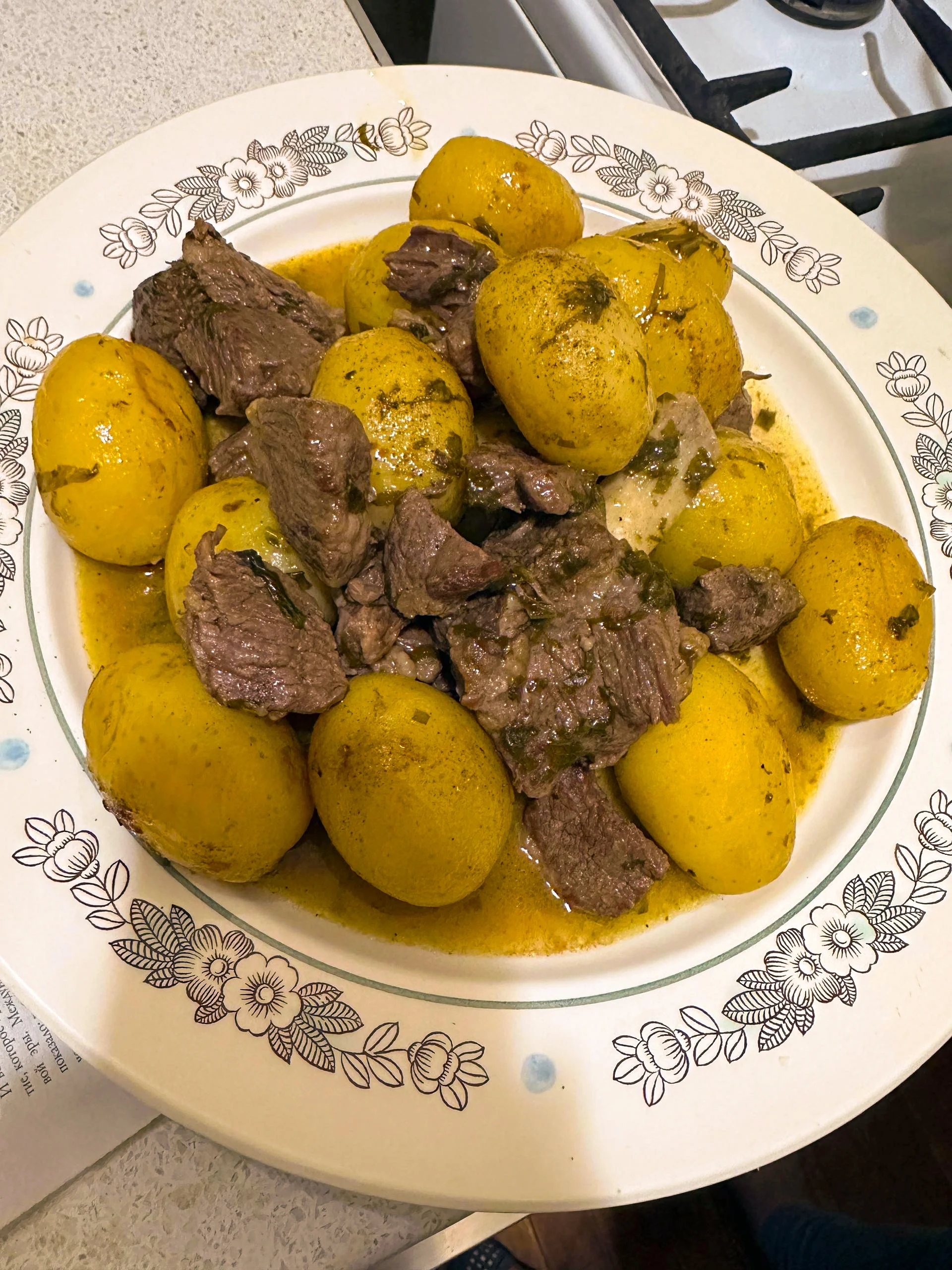
As for the food, it’s special in its own way. On one hand, there are strict restrictions (no leavened products), and on the other — the tables are full of dishes: kosher-for-Pesach plov, meat, poultry, various appetizers, nuts, and sweets are all prepared. Bukharian Jewish families have their own traditional recipes adapted for Passover, which adds a distinctive local touch to the celebration.
Interestingly, even those who do not strictly observe kosher rules during the year tend to follow them during Passover. It’s as if there is an inner understanding: “This matters.” And perhaps that is exactly where the strength of the holiday lies.
But beyond the rules, the holiday is about family, memory, and the feeling of being part of something bigger: conversations around the table, children’s laughter, and stories told year after year that never lose their meaning.
At some point, you realize that Passover is not only about the Exodus from Egypt. It’s also about how now, people even far from their historical homeland continue to preserve their identity, their traditions, and pass them on to the next generation.
Next year in Jerusalem—and Tashkent.
By Dan Isakharov