
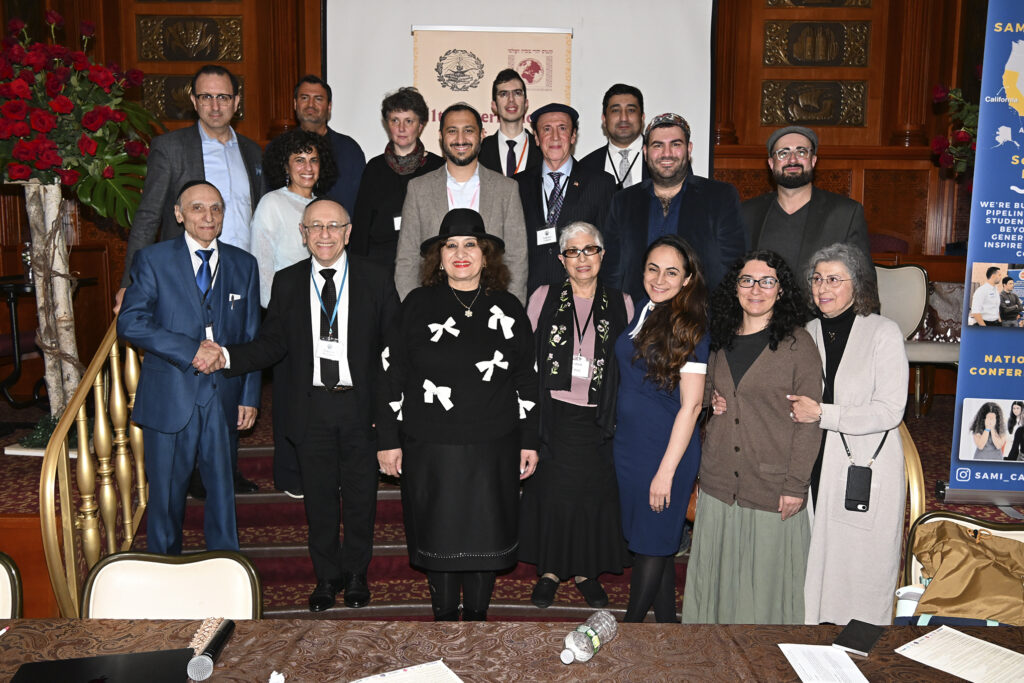
The 11th International Conference held in New York under the title “The Dynamics of the Development of the Socio-Cultural Life of the Bukharian Jewish Ethnic Group in Modern History” revealed something increasingly difficult to ignore: the Bukharian Jewish community is entering a new historical phase. What was once largely perceived through the lenses of migration, nostalgia, and cultural preservation is now evolving into a far broader conversation about intellectual production, institutional development, education, transnational identity, and global Jewish leadership in the 21st -Century.
‘PRESERVING HERITAGE ALONE IS NO LONGER SUFFICIENT’
The conference’s English-language section — “Bukharian Jews in the 21st Century: Identity, Memory, Innovation, and Global Leadership” — reflected that transformation particularly clearly. The phrase itself captured the underlying mood of the gathering. Speakers repeatedly returned to a central idea: preserving heritage alone is no longer sufficient. The challenge today is whether Bukharian Jews can successfully translate a unique historical legacy into sustainable institutions, educational frameworks, intellectual influence, and intergenerational continuity in an increasingly globalized world.

Opening remarks set the tone for the broader discussions. Organizers expressed gratitude to President Robert Pinkhasov of Roshnoi, as well as UJA-Federation of New York, the Jewish Community Relations Council of New York, and COJECO for supporting educational and communal initiatives. Yet beneath the formal acknowledgements stood a larger reality: Bukharian Jewish organizations are no longer operating solely within insular community frameworks. Increasingly, they are interacting with mainstream Jewish institutions, universities, philanthropic networks, and policy-oriented spaces.
A GLOBAL DIASPORA
The conference itself reflected the remarkable geographical breadth of the Bukharian Jewish diaspora. Participants arrived from New York, Washington, Boston, Seattle, Maryland, Vienna, Prague, Jerusalem, Toronto, San Diego, Tashkent, Hanover, and Israel, illustrating how a once relatively localized Central Asian Jewish community has transformed into a highly dispersed transnational network.
One of the conference’s most symbolic presentations came from entrepreneur, philanthropist, and innovator David Mavashev, whose talk traced the journey “from Dushanbe to Silicon Valley.” More than a personal success story, the presentation reflected the emergence of a new generation shaped simultaneously by post-Soviet migration, technological modernity, and global professional mobility. Mavashev’s remarks implicitly challenged older narratives that framed Bukharian Jews primarily through the prism of displacement or adaptation. Instead, innovation itself was presented as a continuation of communal resilience.

Questions surrounding migration, adaptation, and communal continuity appeared throughout the conference. Professor William Kandinov discussed the future of new Americans of Bukharian Jewish origin, while Yohanan Motaev, chairman of the Bukharian Jewish Center of Germany in Hanover, examined the development of Bukharian Jewish social and cultural life in Europe. Shlomo Ustoniyazov, president of the Viennese Bukharian Jewish community “Yahad,” addressed similar themes from the Austrian perspective, emphasizing the institutional consolidation of Bukharian Jewish communities across Europe.
Several speakers focused on the transformation of communal life in the United States itself. Dr. Rakhmin Yakubov discussed the social adaptation of Bukharian Jews in America under conditions of immigration, while Vyacheslav Yusupov examined the scientific and educational activities of Bukharian Jews in the United States. Boris Munarov explored the religious and educational life of Bukharian Jewish youth in America, touching on the increasingly difficult challenge of preserving communal cohesion under conditions of rapid assimilation and generational change.
AN EVOLVING IDENTITY
That broader question — how Bukharian Jewish identity evolves under conditions of globalization — echoed throughout the conference.
French researcher Eva Tartakovsky of the French National Center for Scientific Research (CNRS) examined the comparative historical experiences of North African and Bukharian Jews through the interconnected themes of politics, exile, memory, and cultural mediation. Her presentation situated Bukharian Jews within broader Sephardic and Mizrahi conversations rather than treating the community as an isolated ethnographic case.
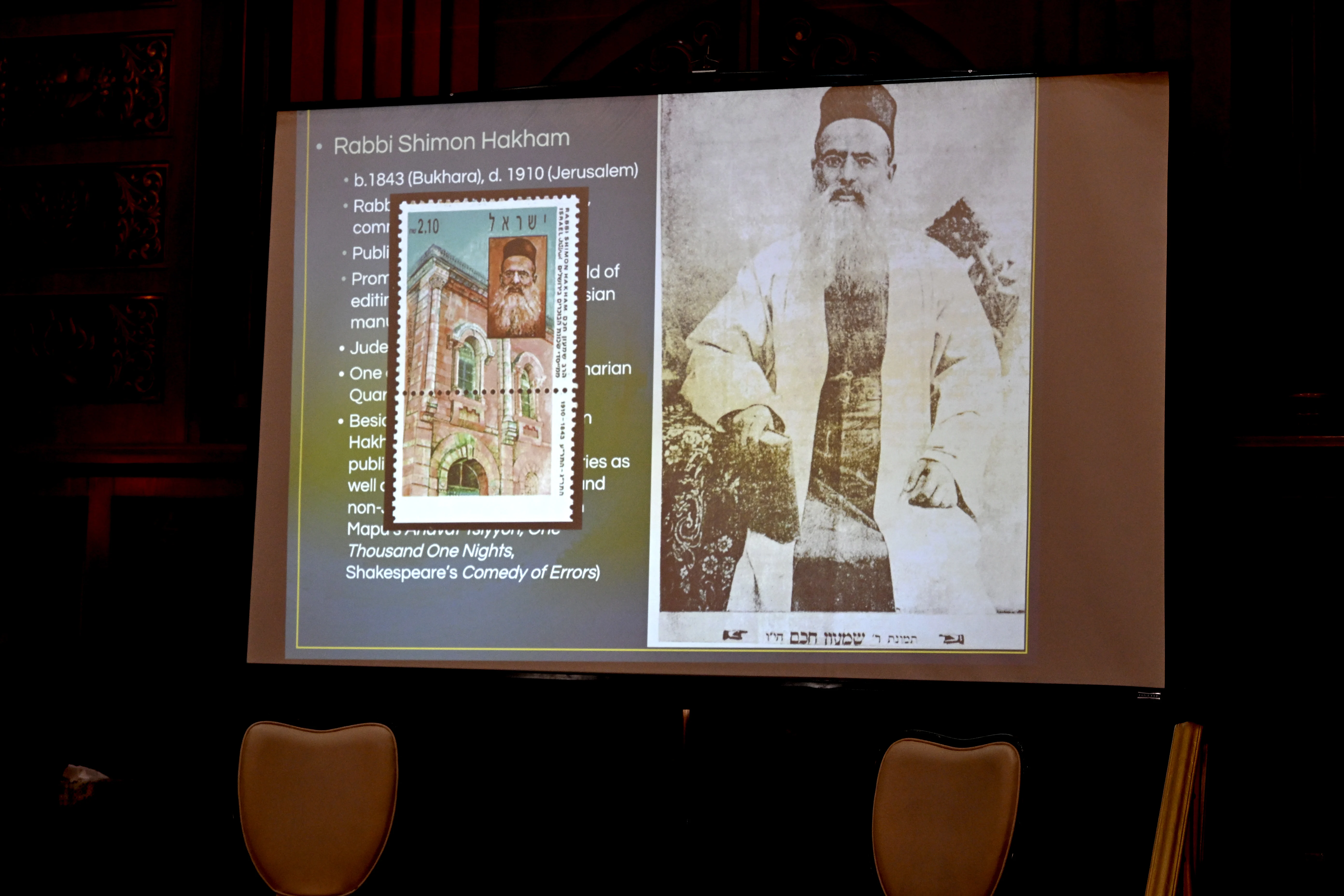
Ruben Shimonov of the Sephardi House and Education Foundation explored the intellectual worldview of Bukharian Jews in early 20th-Century Jerusalem, focusing on the tensions between modernity, tradition, and cosmopolitanism. His work highlighted the extent to which Bukharian Jews historically operated at the intersection of multiple civilizational spaces — Central Asian, Persianate, Russian imperial, Ottoman, and Jewish.
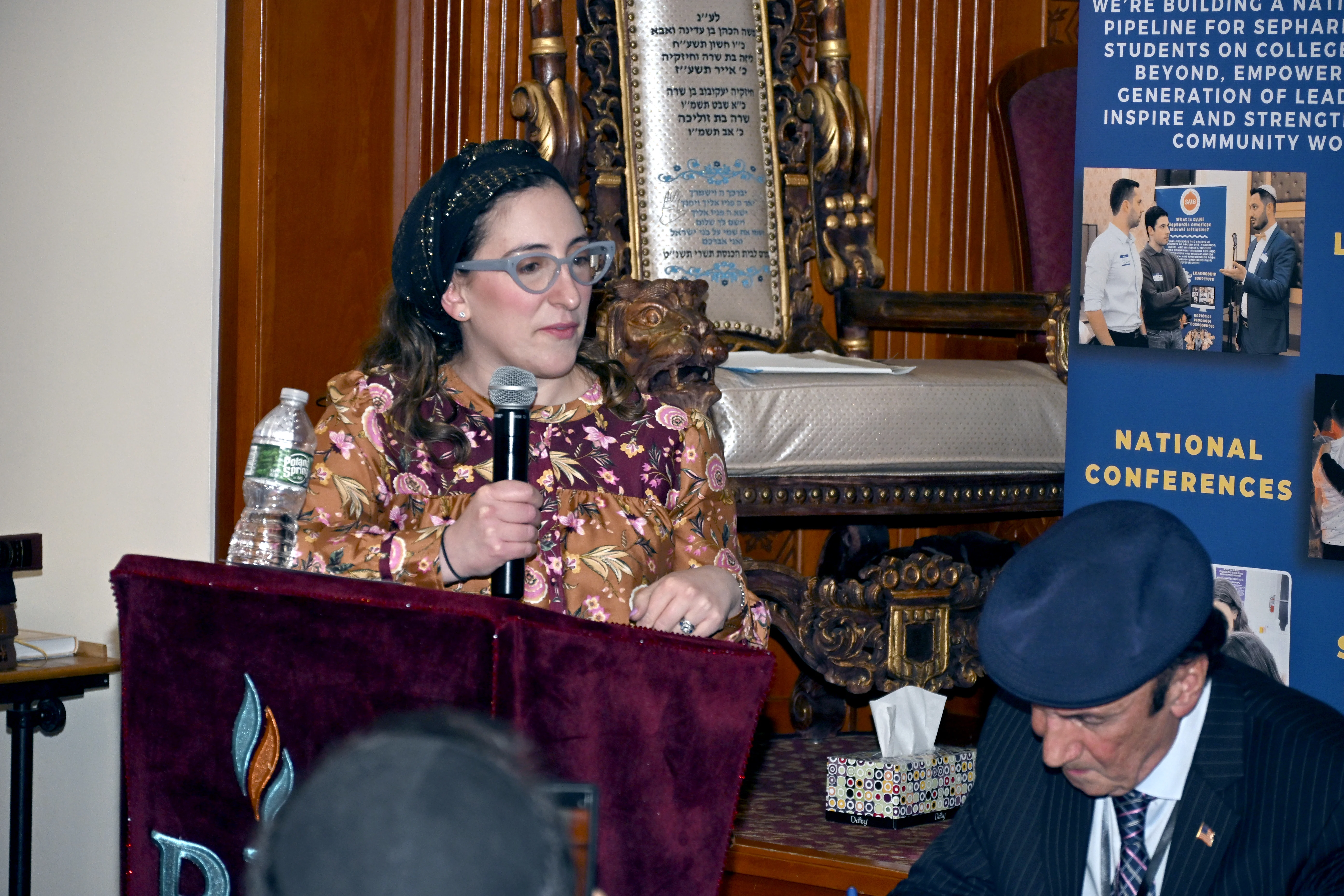
Questions of historical memory and intellectual continuity occupied a central place throughout the conference. Czech scholar Thomas Loy of the Oriental Institute at the Czech Academy of Sciences analyzed the language and publication history of the first Bukharian Jewish newspaper published between 1910 and 1914/16, illustrating how print culture became an instrument of communal modernization and self-awareness long before the Soviet collapse.
Author Dahlia Abraham Klein focused on women’s voices in Bukharian Jewish history, emphasizing themes of trade, survival, and female agency often overlooked in traditional historical narratives. Her presentation reflected a wider shift visible across the conference: the move away from purely patriarchal or folkloric understandings of Bukharian Jewish history toward more socially layered and academically rigorous approaches.
The role of women in communal development was further explored by Dr. Munavvarkhon Mukhitdinova of Tashkent State University of Economics, who examined the contribution of women to the historical prosperity of Bukharian Jewish society. Maya Kesler, a Harvard graduate and director of a physical therapy company in Maryland, presented research on the humanitarian role played by Uzbeks and Bukharian Jews during the evacuation of European refugees between 1941 and 1945 — a topic that reintroduced Central Asia into broader Holocaust-era humanitarian discussions often dominated by European narratives alone.
ART AS A MODE OF TRANSMISSION

The conference also devoted considerable attention to culture, music, and artistic identity. Robert Nudel examined music, identity, and recognition within Bukharian Jewish modernity. Anatoly Fatahov explored the relationship between painting and religion, while Zoia Borukhova focused on women artists in visual art. Ezra Malakov — People’s Artist of Uzbekistan, master
of shashmaqam, and honorary professor of the Uzbek National Institute of Arts — discussed the musical culture of Bukharian Jews and its preservation across generations and continents.

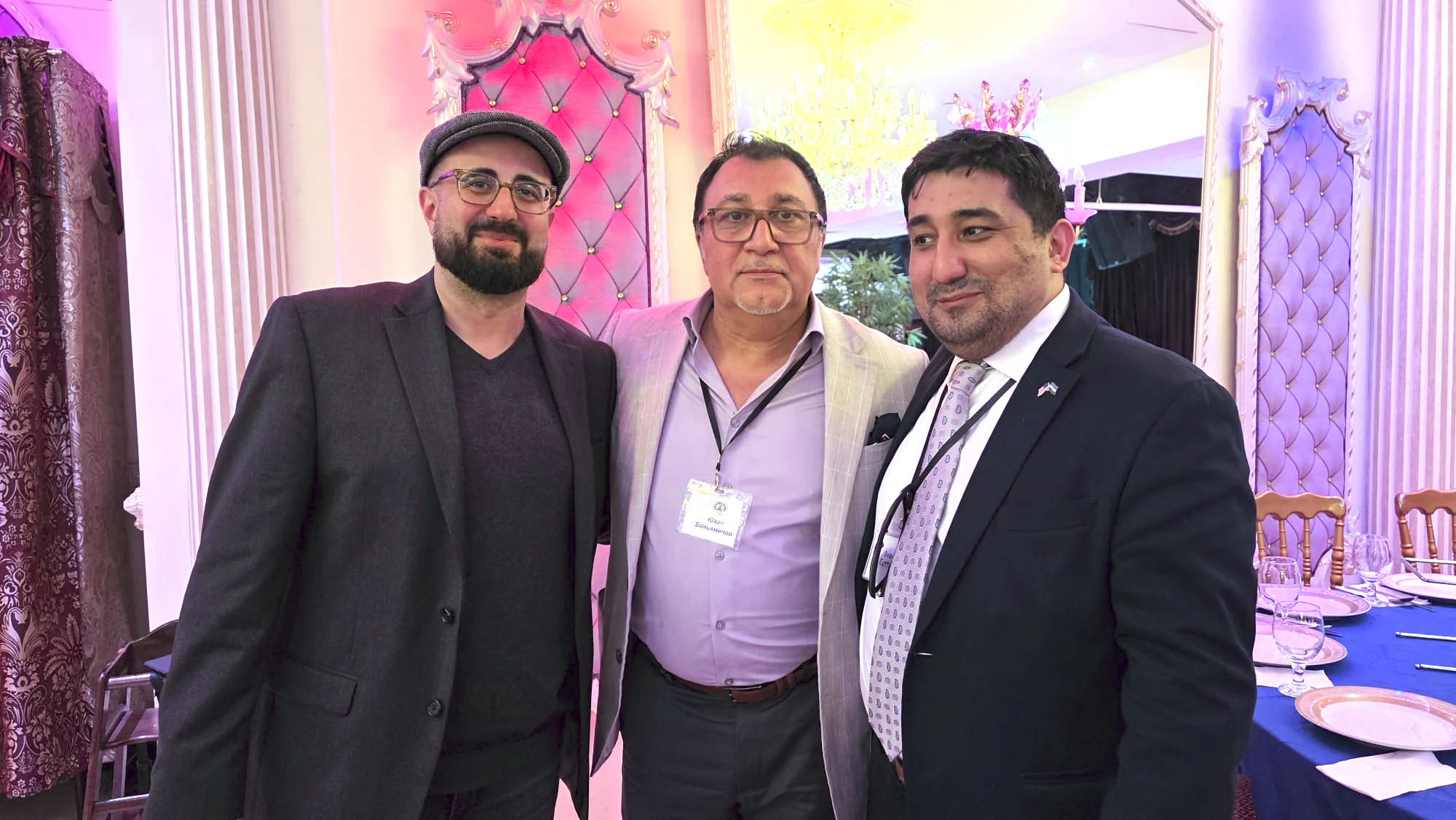
The cultural dimension of continuity was further reinforced by figures such as composer, philosopher, and broadcaster Yuhan Benyaminov, who, together with musician Rushel Rubinov, reflected on generational continuity among Bukharian Jews in the United States over the past two decades. Their discussion suggested that music, literature, and intellectual culture remain among the few spaces where communal memory can still organically reproduce itself across generations.
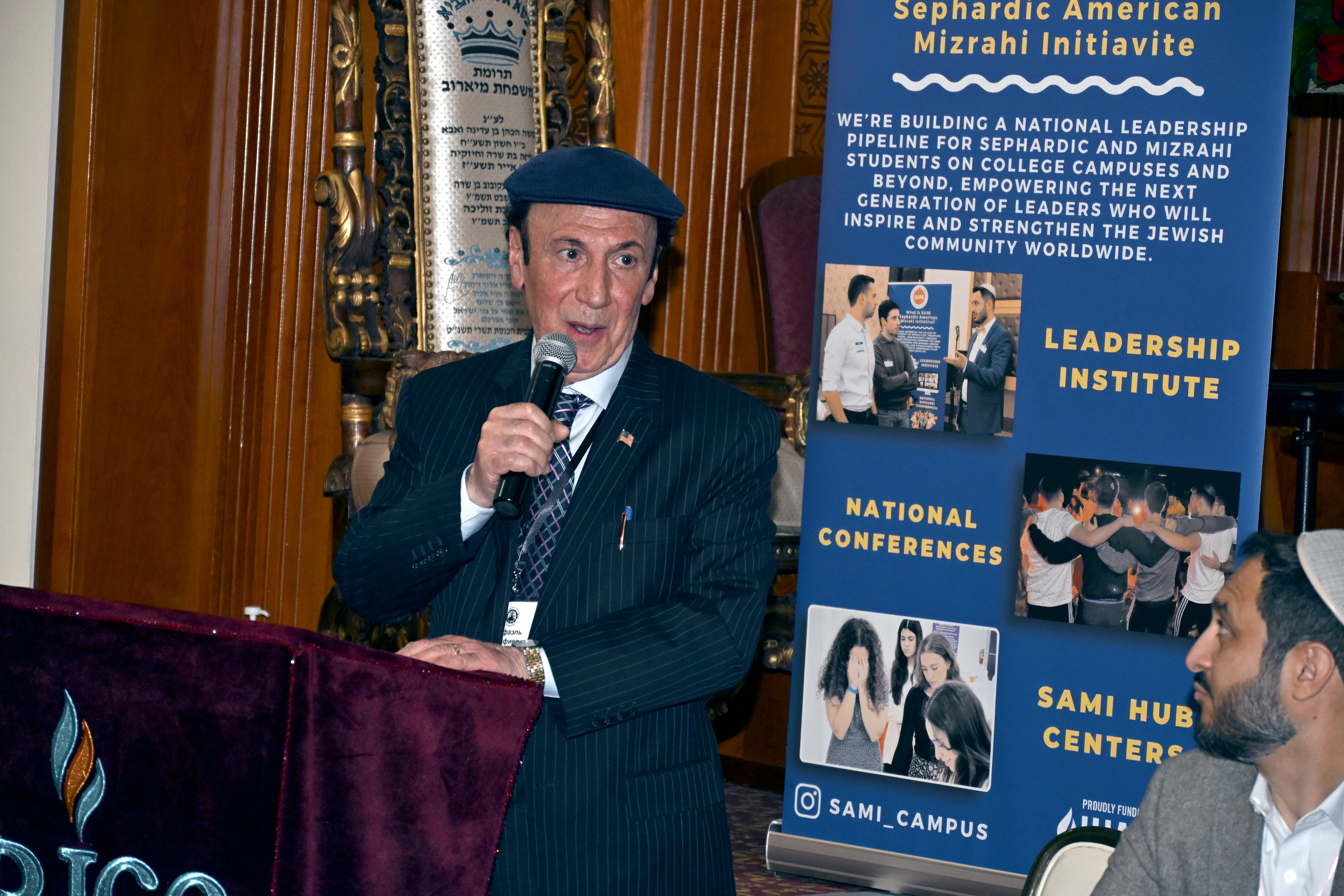
Equally notable was the prominent role played by Rafael Sofiev, journalist and member of the presidium of the Eduard Nektalov Foundation, whose presentation focused on the material and spiritual culture of Bukharian Jews in the 21st-Century. His remarks reflected a broader concern visible throughout the conference: how to preserve civilizational continuity without reducing Bukharian Jewish identity to museum-like nostalgia.

“PEOPLE’S DIPLOMACY”
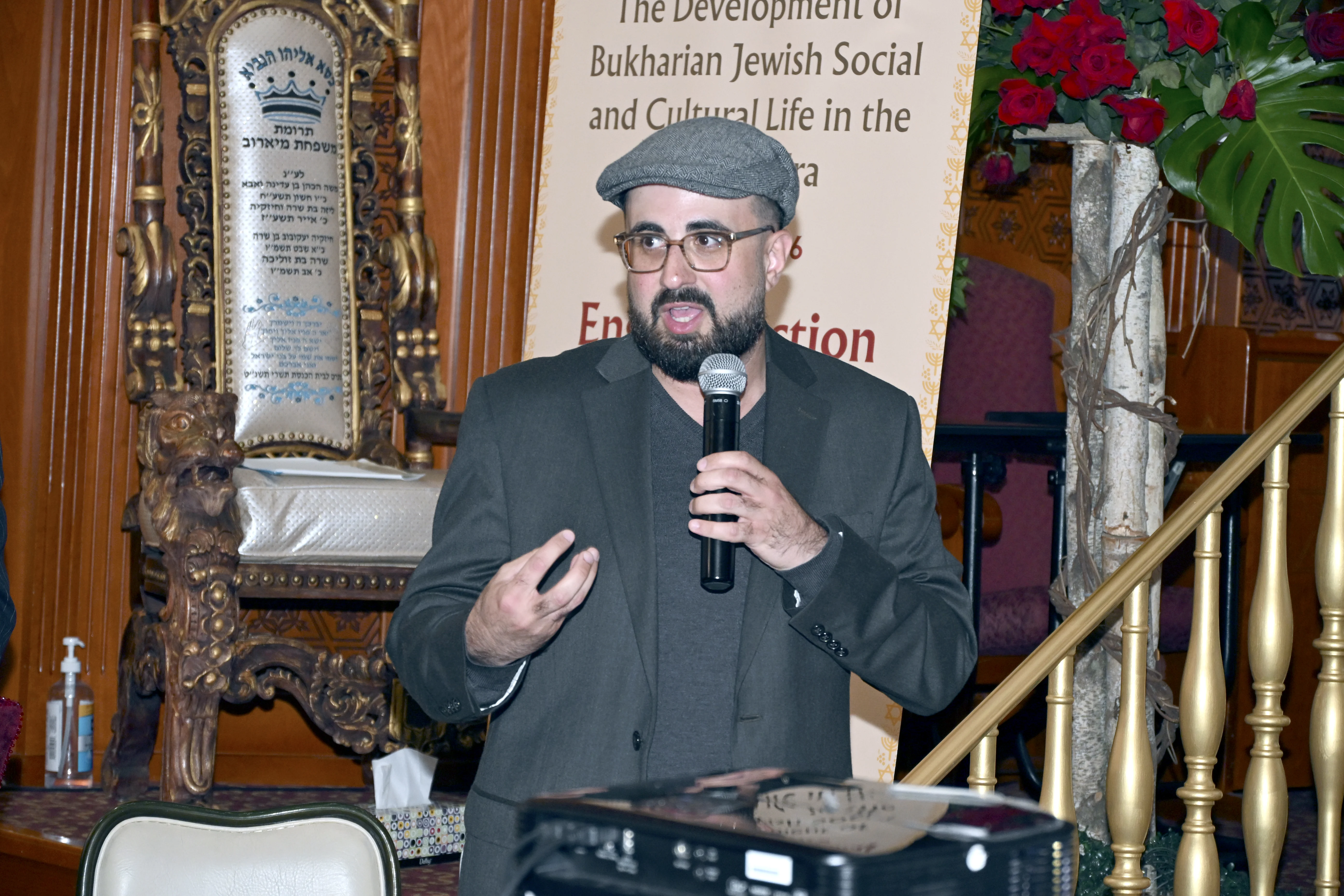
Several discussions moved beyond questions of memory and into the realm of diplomacy, institutional development, and soft power. Rafael Nektalov, editor-in-chief of The Bukharian Times, addressed the role of Bukharian Jews in public diplomacy and civic engagement between the United States and the broader post-Soviet world. Joshua Nektalov, associated with the Bukharian Jewish academic cultural conference itself, reflected another important dimension of the gathering — the attempt to institutionalize Bukharian Jewish studies and transform scattered communal memory into a sustainable intellectual field.
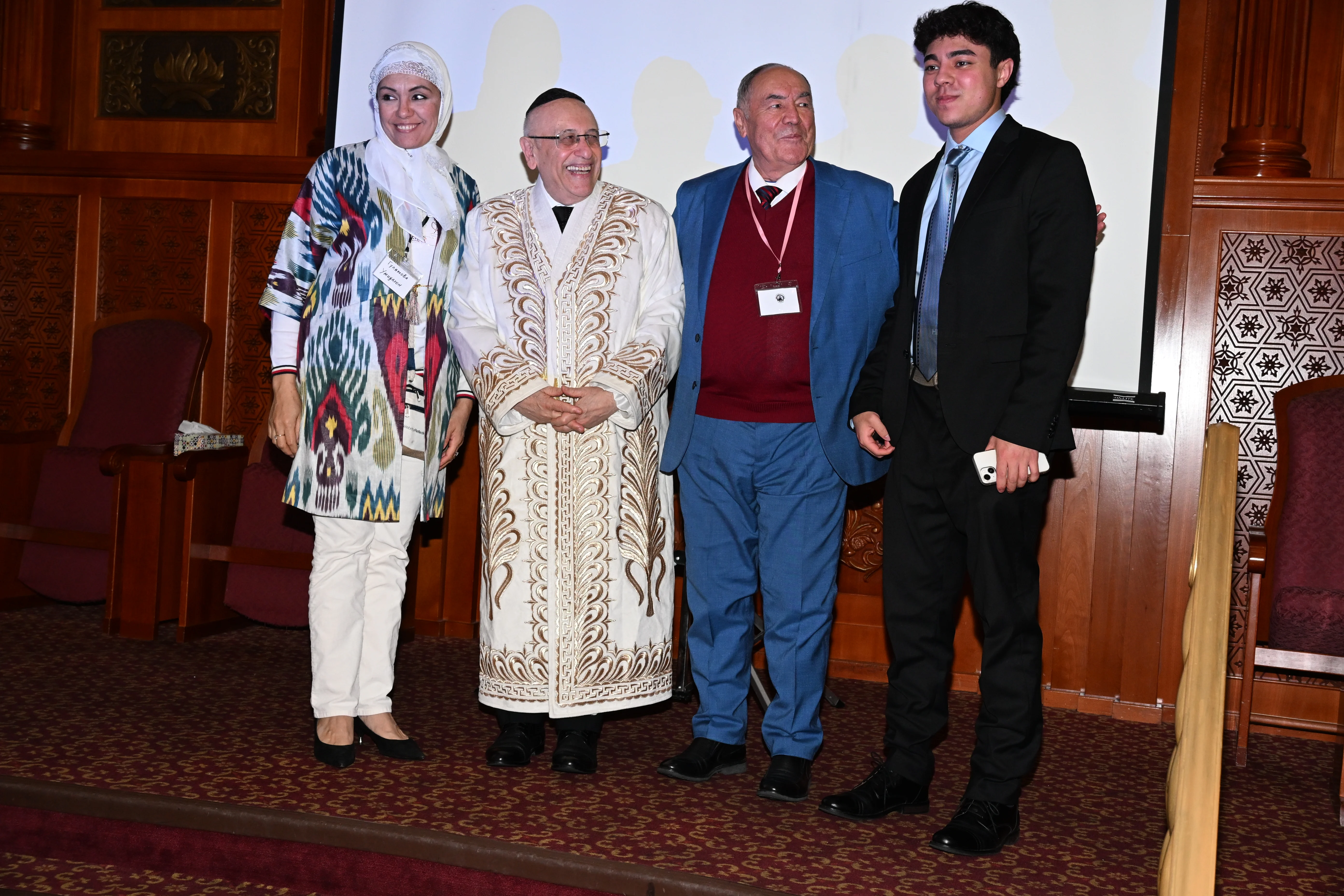
One of the conference’s most symbolic moments came with the participation of Academician Saidakhror Gulyamov — former rector of the prestigious Tashkent State University of Economics and one of the intellectual architects behind the Uzbekistan–America Friendship Society, which for many years has maintained close cooperation with the Congress of Bukharian Jews of the United States and Canada.
Gulyamov’s presence underscored an often-overlooked dimension of the Bukharian Jewish experience: the role of informal diplomacy and long-term civic ties between Central Asia and the Bukharian Jewish diaspora abroad. In his remarks, the academician highlighted years of collaborative work with Rafael Nektalov in advancing what participants repeatedly described as “people’s diplomacy” between Uzbekistan, the United States, and Bukharian Jewish institutions abroad.
The symbolic culmination of that recognition came during a traditional ceremonial presentation of a white chapan to Nektalov — a gesture deeply rooted in the cultural traditions of Central Asia, where such robes historically signify honor, wisdom, and public respect. Within the context of the conference, the moment carried meanings extending beyond personal tribute. It reflected the persistence of cultural memory and the survival of Central Asian traditions even within highly globalized diaspora environments thousands of miles away from Bukhara or Samarkand.
KEEPING THE COMMUNITY WHOLE
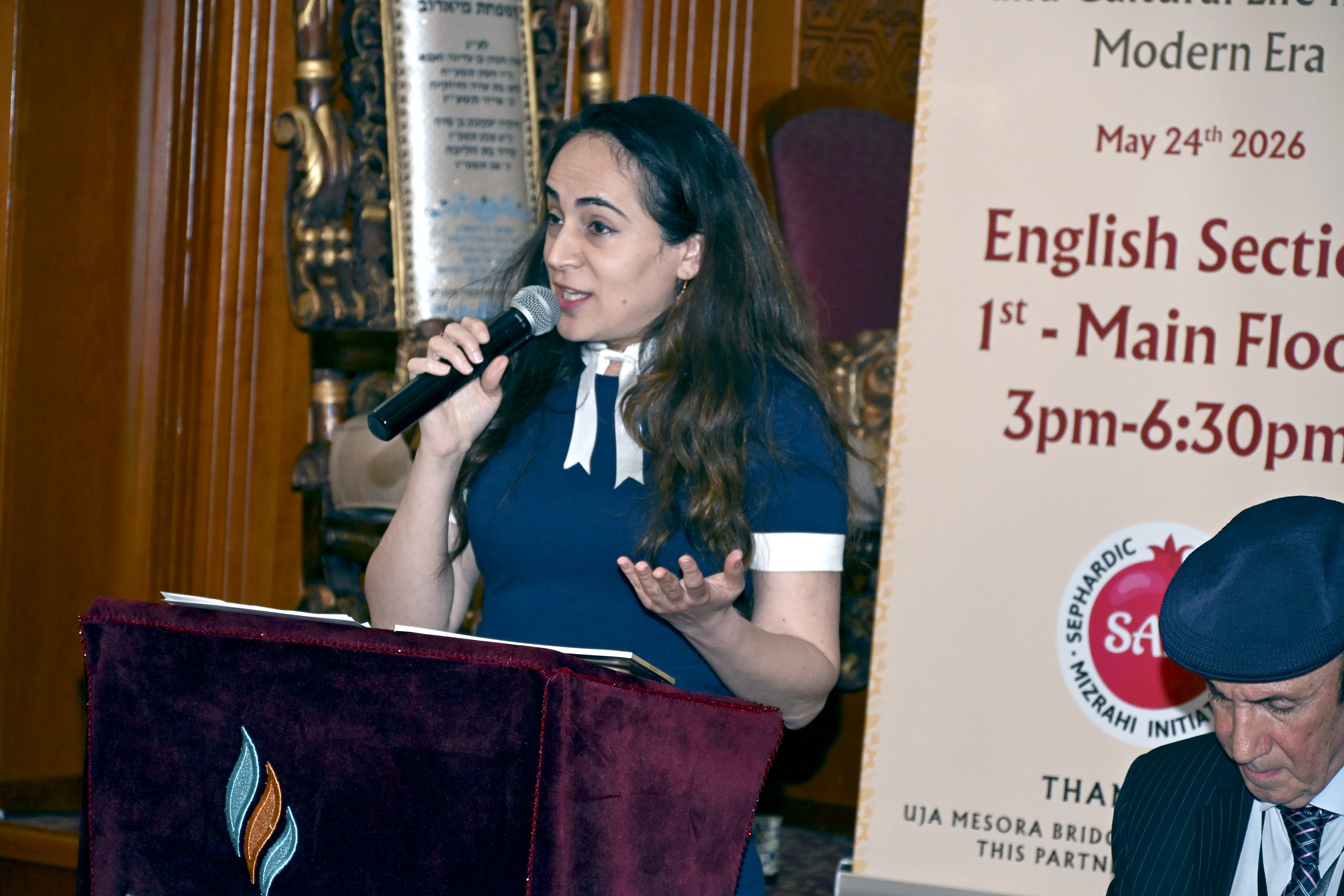
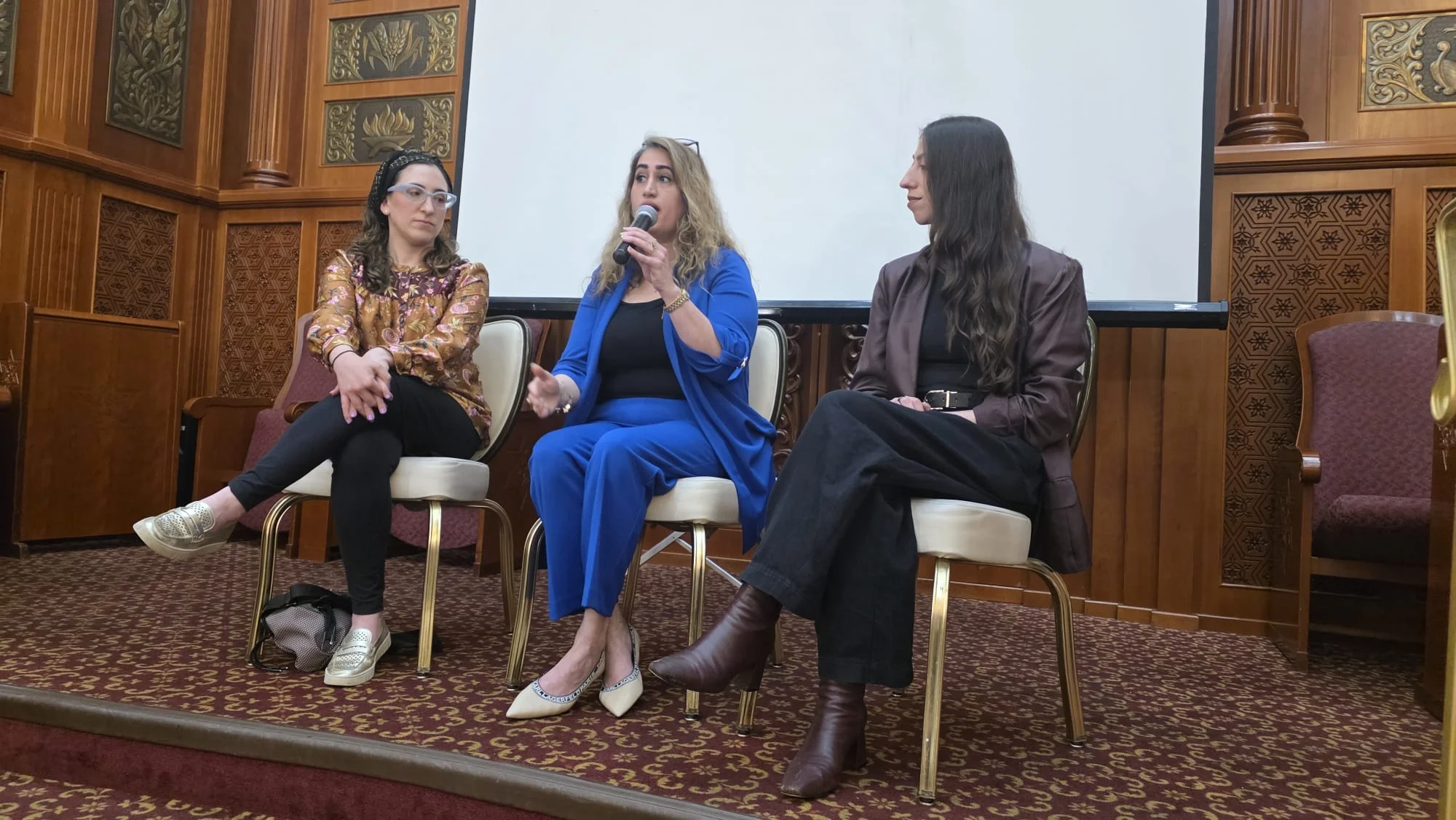
Questions surrounding education and intergenerational continuity emerged repeatedly throughout the conference. Hannah Kover of UJA-Federation of New York, community mobilizer Ayelet Pearl, Diana Rachnaev of Yesodot, and Dr. Elana Riback Rand addressed the future of Jewish education and community-building among younger Bukharian Jewish generations in New York. Yaffa Borukhova focused specifically on preserving Bukharian Jewish identity among children in New York public schools — a subject reflecting wider concerns about assimilation, language loss, and cultural continuity.
At the same time, the conference engaged with more complex contemporary social realities. Zoya Yusupov’s presentation on autism spectrum disorder and therapeutic support within the community reflected a growing willingness to address practical and often under-discussed communal issues beyond symbolic identity politics.
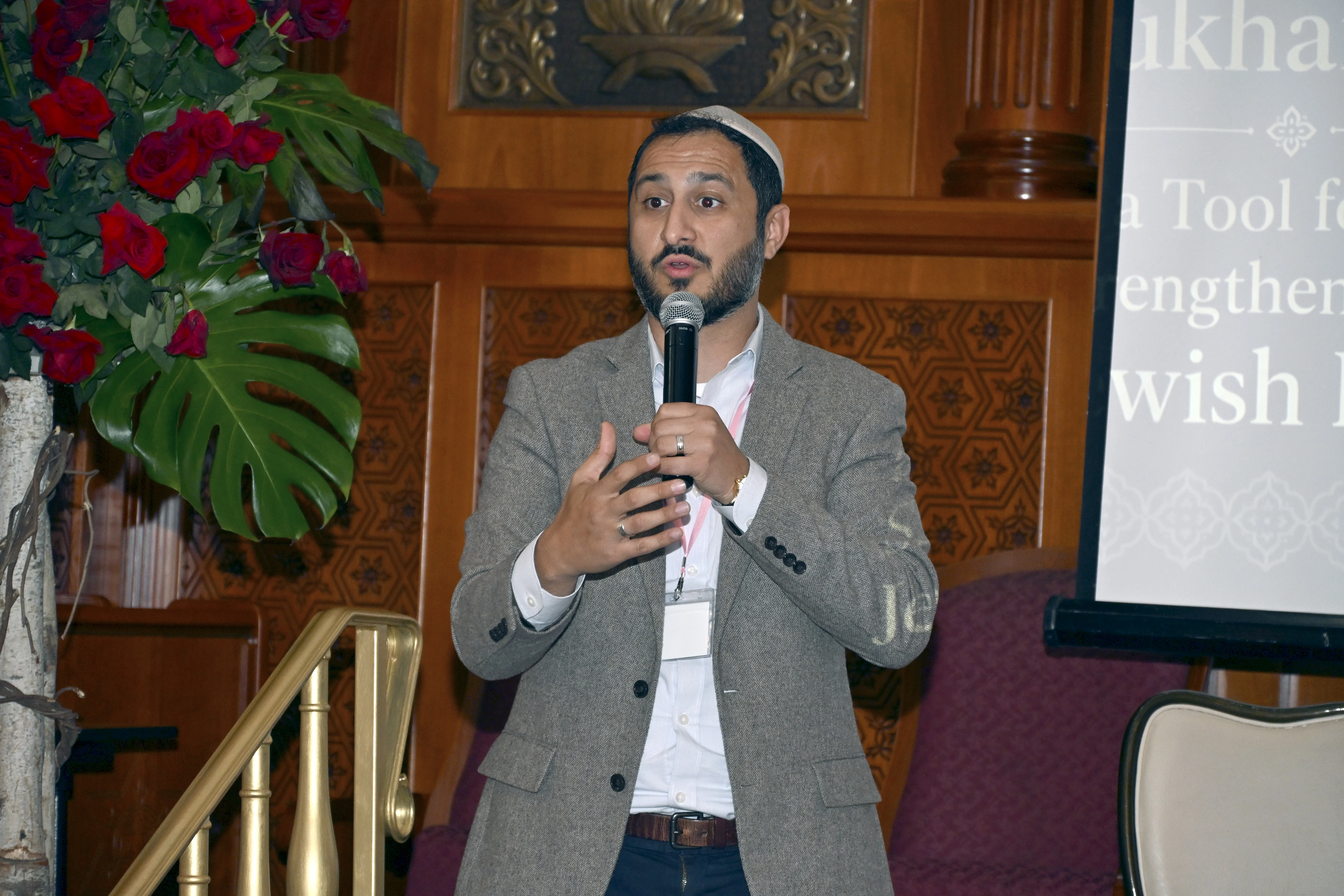
The gathering also highlighted the increasingly institutional character of Bukharian Jewish civic life. Figures such as Roman Kaikov discussed the role of film, photography, radio, and television in shaping communal consciousness in New York, while researchers and public intellectuals including Immanuel Rybakov, David Gai, Mikhail Bratslavsky, Arkady Zavulunov, and Genrikh Golin reflected on questions ranging from intellectual property and media culture to economics, migration, and long-term organizational cooperation.
Other presentations further demonstrated the extraordinary thematic breadth of the conference. Boris Kandkhorov spoke about unrealized communal aspirations and future possibilities, Boris Yusupov discussed genetic research related to Bukharian Jews, Hayko Malakov addressed adaptation in America, Vladimir Aulov examined the broader identity dilemmas facing the Bukharian Jewish ethnic group, while Arkady Kalontarov’s work with the “Memory and Honor” initiative focused on preserving historical consciousness among younger generations.
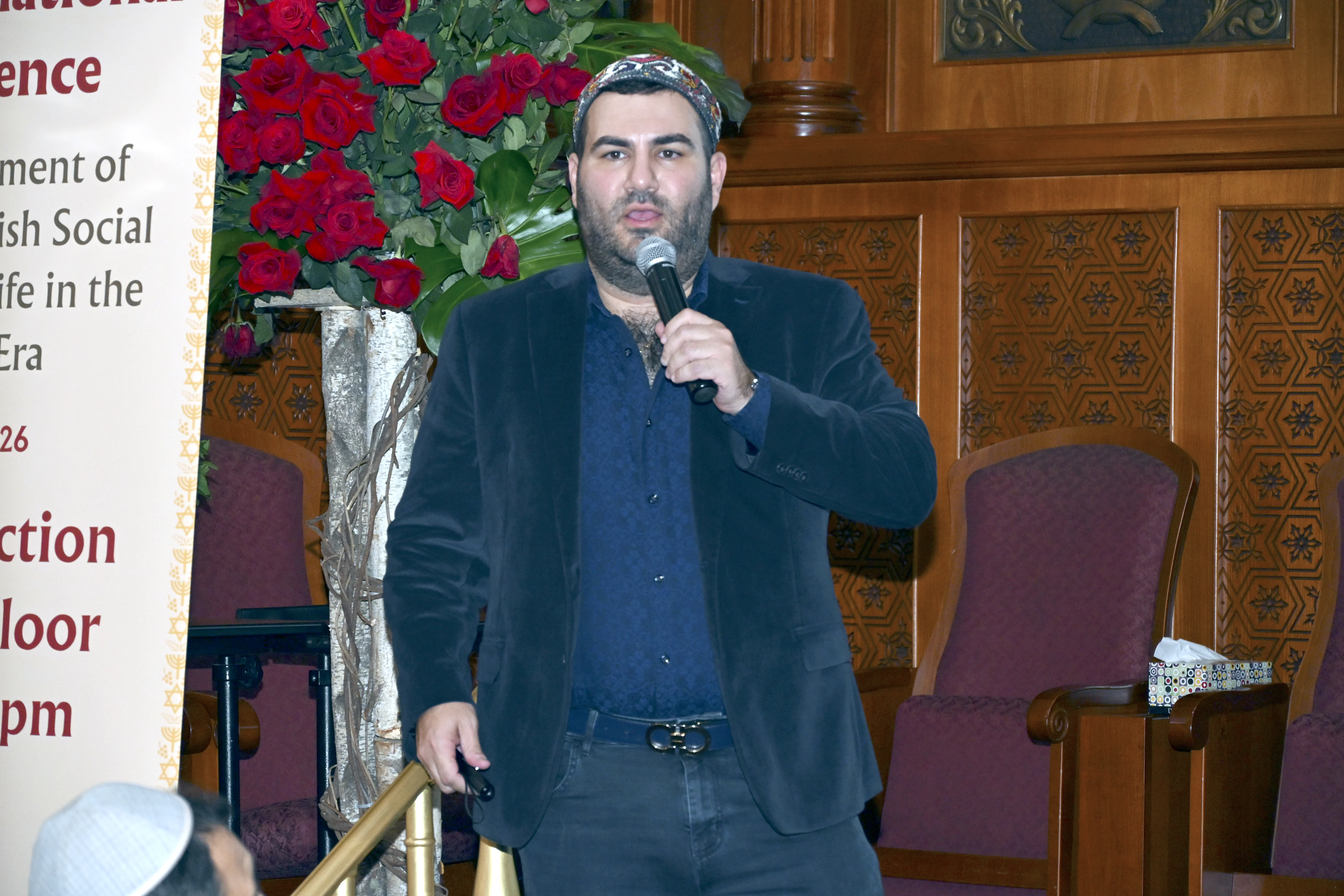
The conference further included discussions surrounding new institutional initiatives and youth-oriented global networks. Aba Priev of the Hebrew University of Jerusalem, alongside Nathan Arister and Shakhista Maksudova of the Sogdiana Commonwealth initiative, discussed efforts to build new frameworks for international youth cooperation and long-term communal development. Zhanna Koen, deputy mayor of Or Yehuda in Israel, addressed what participants described as “the diplomacy of humanism in the 21st-Century.”
THE PRICE OF MAKING IT

One of the recurring but often implicit themes throughout the conference concerned the evolution of Bukharian Jews from a relatively localized ethno-religious minority into a globally dispersed professional and intellectual network. This transformation carries opportunities but also structural challenges. How does communal identity survive when younger generations increasingly integrate into elite universities, technology sectors, policy institutions, finance, and international professional circles? What remains of traditional communal structures under conditions of globalization and mobility?
Those questions surfaced particularly clearly during the presentation by Rafael Sattarov of the Turan Research Center, whose remarks focused on diaspora soft power and the positioning of Bukharian Jews between Washington, Tel Aviv, and Tashkent. The discussion suggested that Bukharian Jewish communities are increasingly functioning not merely as immigrant enclaves, but as transnational networks connecting political, intellectual, and cultural spaces across multiple regions simultaneously.
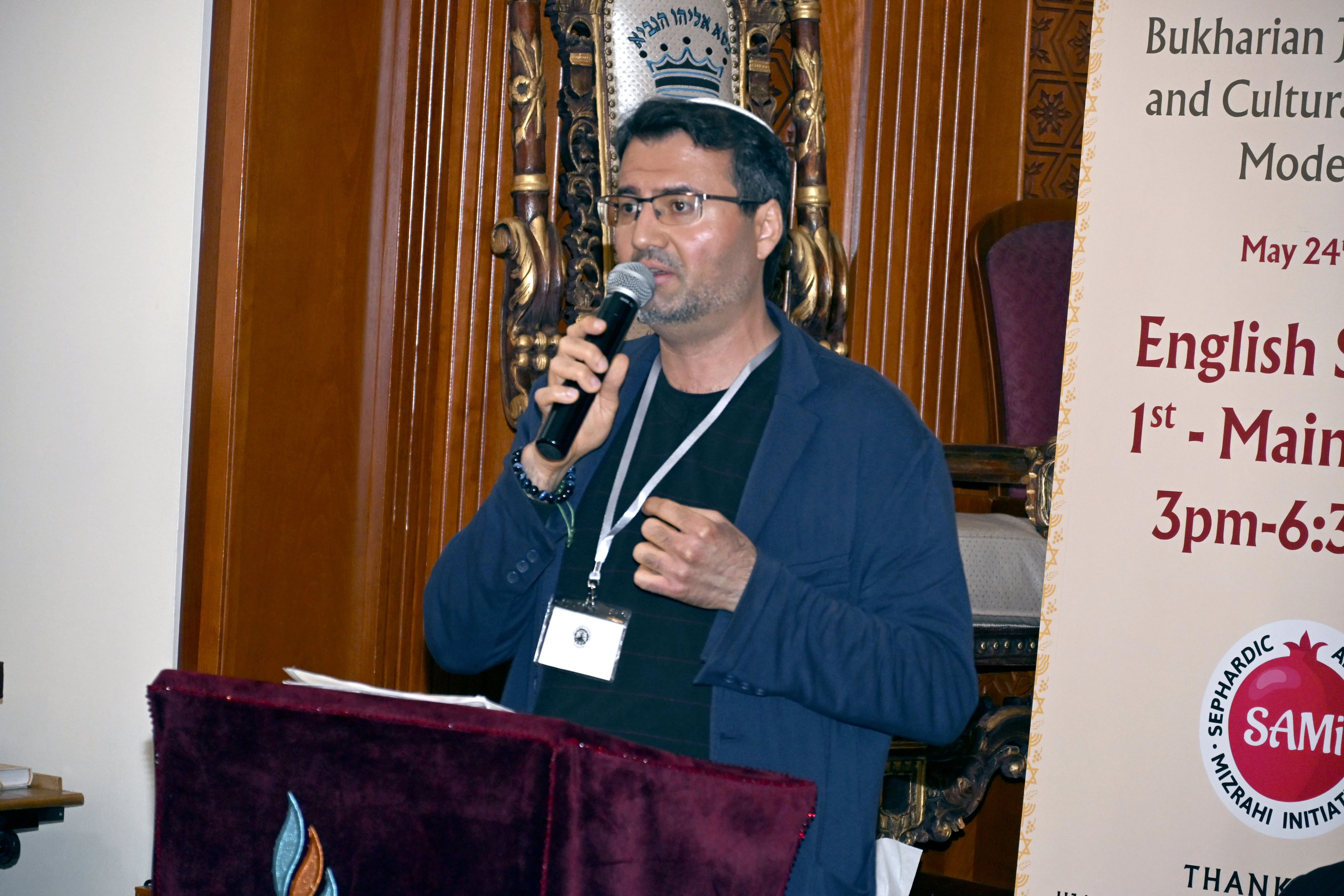
Perhaps the most striking aspect of the conference, however, was not any individual presentation, but the atmosphere itself. Unlike many diaspora gatherings centered primarily on memory preservation or symbolic heritage, this conference projected institutional confidence and long-term ambition. Discussions repeatedly returned to themes of leadership, innovation, education, philanthropy, intellectual production, cultural diplomacy, and strategic communal development.
A POST-SOVIET STEPS ONTO THE WORLD’S STAGE
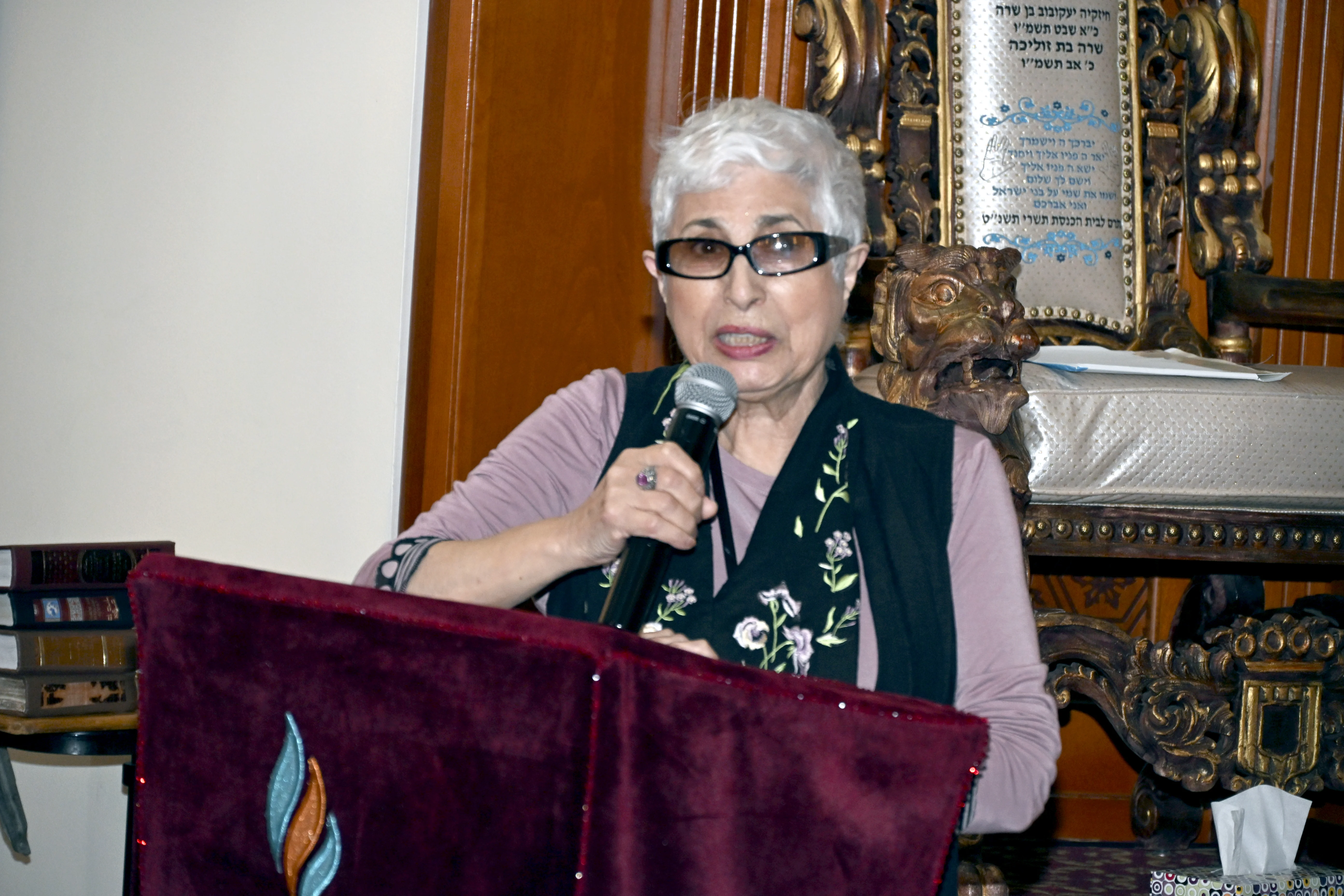
In many ways, the conference reflected the maturation of a post-Soviet Jewish diaspora entering a fundamentally new stage of historical self-awareness. The children and grandchildren of migrants who once struggled for economic adaptation in Queens, Vienna, or Israel are increasingly attempting to define broader narratives about identity, modernity, and Jewish continuity in a global age.
The central conclusion emerging from the conference was clear: Bukharian Jewish identity in the 21st-Century can no longer be understood solely through the lens of preservation. It is increasingly becoming a framework for participation in wider conversations about migration, globalization, education, soft power, and the future of Jewish communal life itself.
By Rafael Sattarov