
Tajikistan
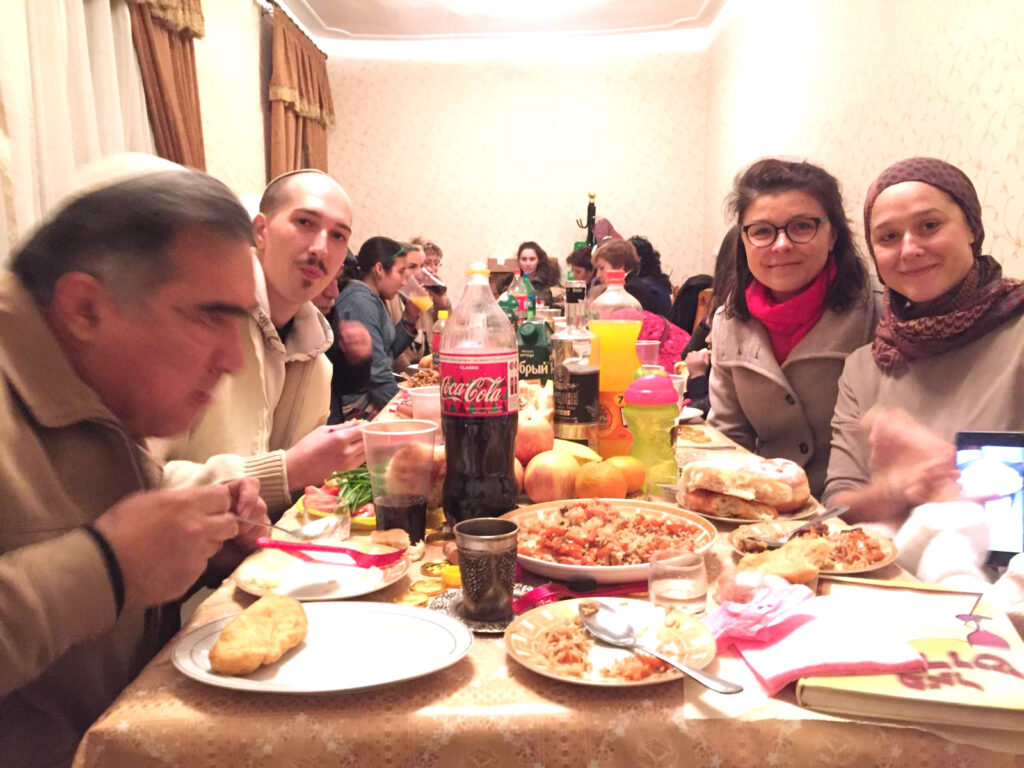
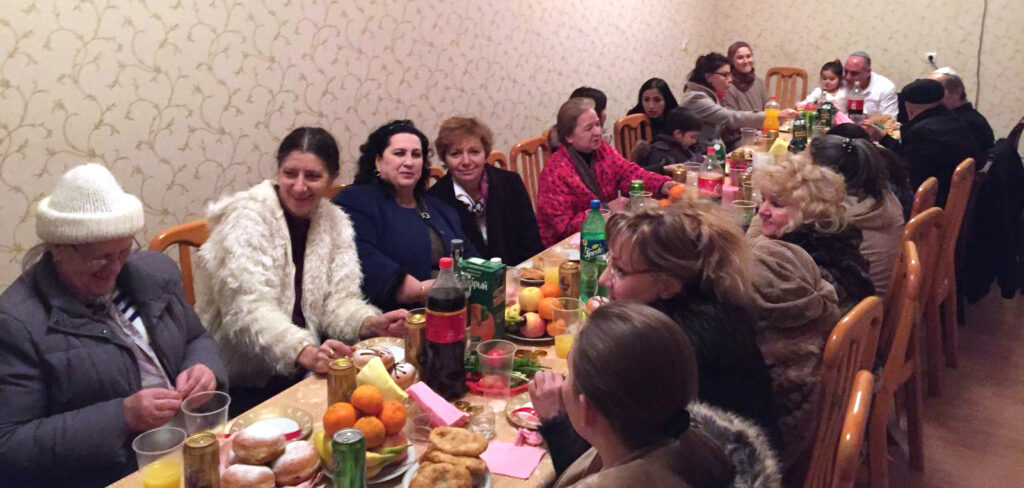
Some dates become milestones. December 22, 2019 was ours—the night we lit Hanukkah candles together for the first time in our new synagogue, Beit Knesset Dushanbe. (The synagogue was a gift from Oriyon Bank Director Mr. Hasan Asadulozoda.)
It all began with an encounter. Coincidental? In our tradition, we say: “Ba’sha’ah u’va’zman ha’zeh” — “At the right time, and in its proper hour.” So it was: Barukh Hashem, I met Mr. Nimrod (Nimi) Levi—a Kurdish Jew from Jerusalem who was visiting Dushanbe with his wife and daughter. A businessman known for supporting Jewish communities across Central Asia, he carried within him a familiar light: the light of initiative, faith and a deep love for community.
I believe I was the first Jewish face he saw in Dushanbe. We met unexpectedly in Auchan supermarket, where he noticed my clothing and approached me to ask whether I knew where the synagogue was. I smiled and said, “Yes, and I’m exactly the person you are looking for.”
From that moment on, a conversation unfolded. We spoke about the Jewish community in Dushanbe — its past, present and future. He expressed a strong desire to visit the Beit Knesset for Shabbat and offered his help in supporting the community during the Jewish holidays. His wife, too, showed genuine care and was eager to assist in every possible way.
Over shared meals and long walks through the city, he met the faces behind the community — its leaders, its elders, its quiet pillars. He listened, asked, remembered. He was introduced to our then-chairman, Yakov Mataev, z”l, whose devotion to Jewish life left a lasting impression on him. At the same time, he spoke not only of preserving what was, but of imagining what could be: of responsibility that extends beyond synagogue walls, of building, investing, and contributing to the future of Dushanbe itself—turning it into a smart city using Israeli technologies.
That’s when an idea sparked: to hold Hanukkah in the synagogue. More than a religious ritual, it would be a true communal celebration filled with song, children’s laughter, and the warm aroma of fresh sufganiyot—not to mention the shared comfort of memory.
And so the evening arrived. The candles of the Hanukkiah were kindled, one by one. Their flickering glow danced on the walls, whispering the ancient story of the Maccabees—how the small overcame the mighty, how faith triumphed over fear, and how a single cruse of pure oil burned far longer than anyone dared hope.
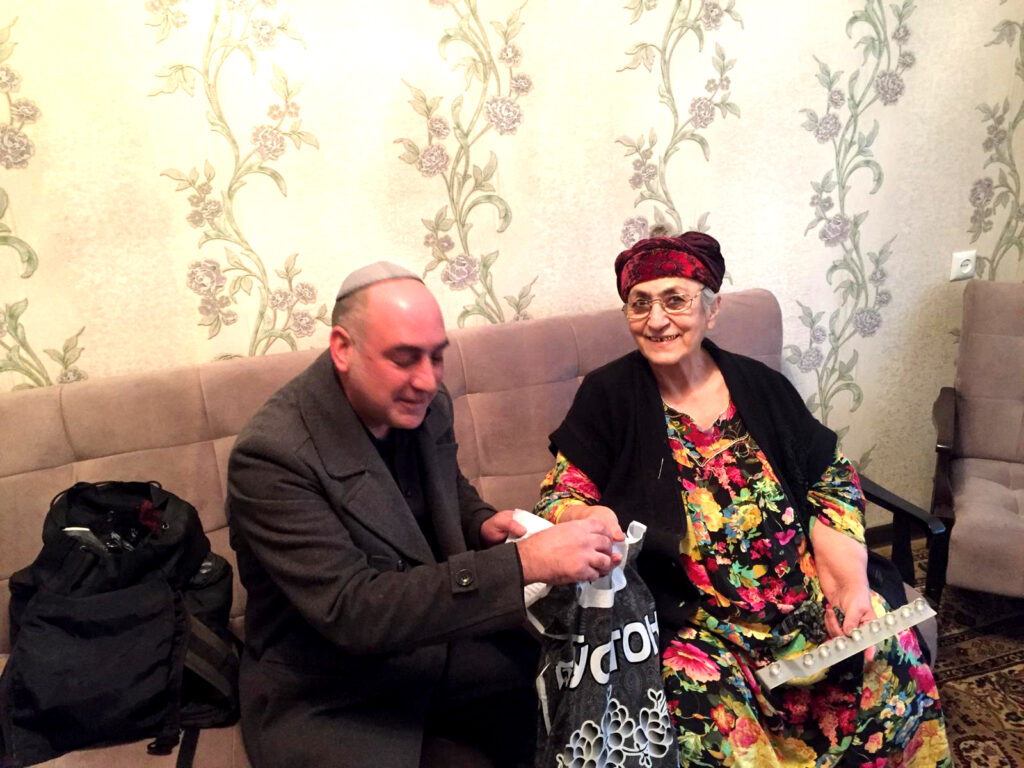
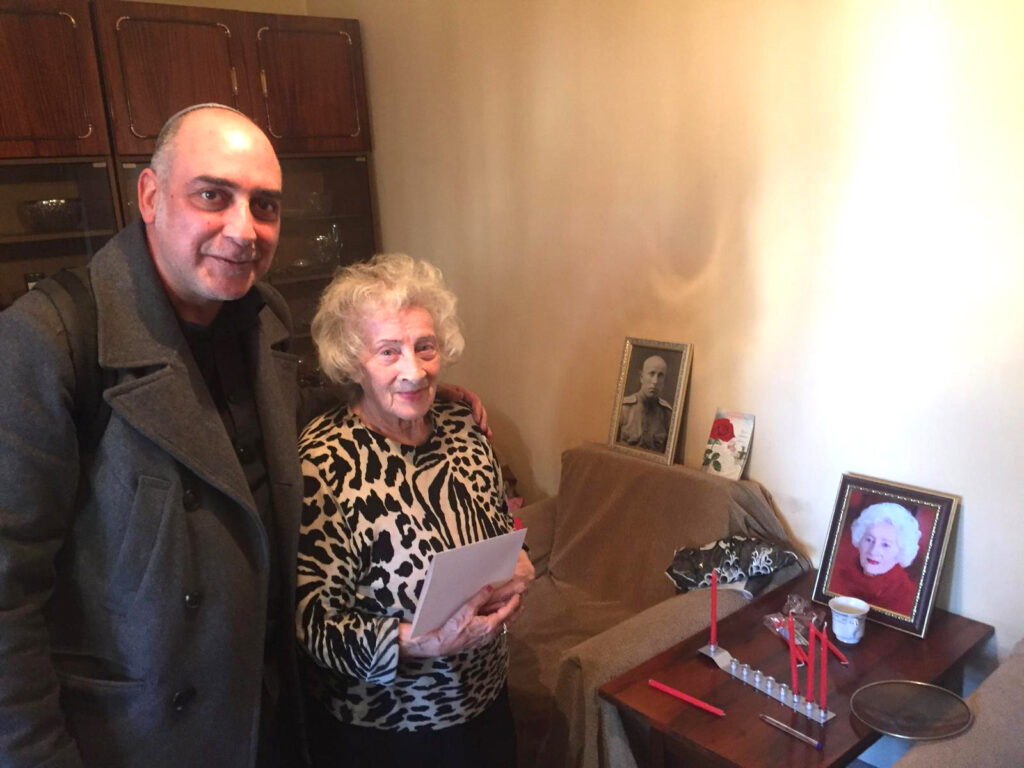
The hall filled with most of our congregants and other Jewish visitors—about 50 in total. Among them stood our then-chairman, Yakov Mataev, z”l. He stood beside the young, supported the elders, smiled at the children handing out dreidels. In his eyes that night shone not just contentment—but hope. Hope that communal life was not fading, but rather, gathering strength. Hope that each of us is not merely a synagogue attendee, but a link in the chain of generations.
That evening became a beginning—not just “another holiday,” but a revival of tradition in its fullness: when Hanukkah ceased to be solely a family event and entered the heart of our community as a single breath, a shared light.
Years have passed. Today, I live in Ashdod, a city in Israel where I’ve been based since leaving Tajikistan September 2024—and with deep emotion, I watch how here, in the land where every stone remembers the Maccabees, Hanukkah is celebrated freely, joyfully, without hesitation. Menorahs glow on balconies, in shop windows, in public squares. Children sing “Ma’oz Tzur” in the streets; students light candles in university courtyards; in every home, the scent of warm sufganiyot mingles with the gentle light that no one fears to show the world.
And in those moments, I remember that evening in Dushanbe—that first, fragile flame in our synagogue. It was no less bright than these thousands of lights. It was just as real. Because the light of Hanukkah is not measured in wattage, but in courage—the courage to kindle, even when darkness surrounds you.
And when one person lights, others see: it is possible. And then—a chain reaction of miracles begins.
With love and gratitude,
— on behalf of those who were there, and those who have joined us since.
By Moishe Sabirov